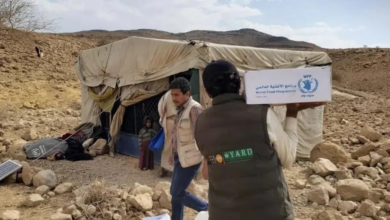
The collapse of the health sector in Houthi-controlled areas: a catastrophe threatening millions

The health system in Houthi-controlled areas of Yemen is facing the risk of total collapse, as the bloody conflict continues and the economic and humanitarian crises that have plagued the country for years worsen. Local and international humanitarian and medical organizations are repeatedly warning that the health situation has reached a critical stage, threatening an unprecedented humanitarian catastrophe that could claim the lives of thousands of innocent civilians.
Context of the crisis and deteriorating infrastructure
This deterioration was not a sudden occurrence, but rather the result of years of accumulated war that erupted after the group’s coup and takeover of the capital, Sana’a, in 2014. For nearly a decade, the health sector’s infrastructure has been subjected to enormous depletion, as government operating budgets have stopped, and the salaries of medical and nursing staff have been cut off for many years, prompting many doctors and consultants to emigrate from the country in search of safe job opportunities, which has emptied hospitals of the necessary competencies.
Furthermore, the health sector in these areas relies almost entirely on international aid from UN agencies and donors. With recent declines in international funding due to global crises and restrictions on humanitarian work, hospitals and health centers have found themselves unable to provide even the most basic medical supplies, including intravenous fluids and medications for chronic diseases.
Fuel crisis and shutdown of vital equipment
One of the most significant challenges accelerating the collapse of the health sector is the recurring fuel crisis. Hospitals in Yemen rely heavily on generators to power intensive care units, incubators for premature infants, dialysis centers, and operating rooms. Fuel shortages or exorbitant prices on the black market force hospital administrations to make difficult choices, often resulting in reduced operating hours or the closure of vital departments, effectively sentencing hundreds of patients whose lives depend on these machines to a slow death.
The repercussions of the disaster on the most vulnerable groups
The anticipated impact of this collapse will be catastrophic at both the local and regional levels. Locally, statistics indicate a rise in acute malnutrition rates among children, pregnant women, and lactating mothers, along with the resurgence of previously eradicated diseases such as cholera, diphtheria, and polio, due to weakened immunization programs and the deterioration of sanitation and clean water networks.
Regionally and internationally, the collapse of Yemen’s health system poses a significant risk of the spread of transboundary infectious diseases, as well as increasing waves of refugees and internally displaced persons seeking treatment and safety. The international community is now more than ever obligated to intervene urgently to salvage what can be saved, not only by providing emergency aid, but also by pressing for the depoliticization of the health sector and ensuring the unimpeded flow of medicines and fuel to guarantee the right to life for millions of Yemenis.