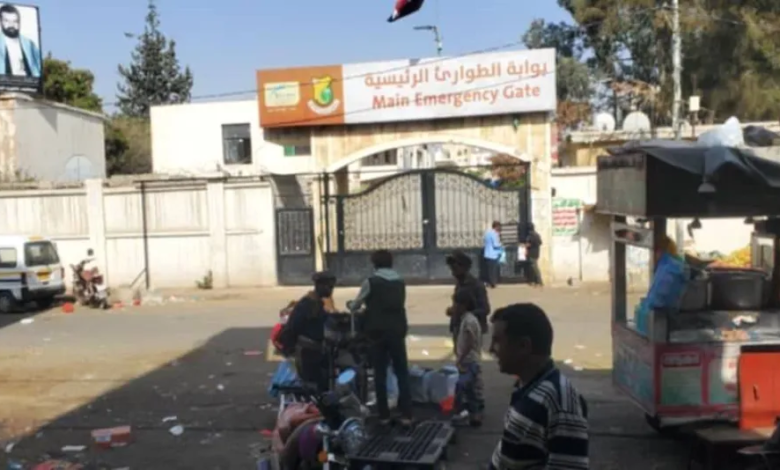
The deteriorating health services in Sana'a exacerbate the suffering of patients

The reality of the medical sector and the suffering of patients
The medical sector in Yemen is experiencing an unprecedented crisis, with the deterioration of health services in Sana'a representing one of the most pressing humanitarian challenges facing the population today. Thousands of patients endure immense suffering daily due to the severe shortage of essential medicines and medical supplies, coupled with exorbitant treatment costs that are beyond the reach of the average citizen. Hospitals and health centers in the Yemeni capital are operating at less than half their capacity, jeopardizing the lives of many, particularly those with chronic illnesses such as diabetes, cancer, and kidney failure, due to the lack of necessary medical care.
General context and historical background of the crisis
To understand the roots of this crisis, it is essential to examine the broader context and historical background of the event. Since the outbreak of armed conflict in Yemen in late 2014 and its escalation in 2015, the country's infrastructure has suffered widespread destruction, with the health sector being among the hardest hit. Reports from the United Nations and the World Health Organization indicate that approximately half of Yemen's health facilities have either been completely destroyed or partially damaged, rendering them incapable of providing medical care. Furthermore, the suspension of salaries for medical and healthcare personnel for years has led to a mass exodus of skilled professionals seeking alternative livelihoods, leaving hospitals depleted of specialists capable of handling critical cases and performing complex surgeries.
Local and regional impact of the collapse of the health system
The significance of this event and its anticipated impact extend beyond local boundaries to regional and international levels. Locally, the collapse of the health system has led to outbreaks of preventable diseases such as cholera, diphtheria, and dengue fever, not to mention the high rates of acute malnutrition that are killing thousands of children and pregnant women. This catastrophic situation is driving up daily mortality rates and creating widespread despair and frustration within the community. Regionally and internationally, the continuation of this crisis represents a ticking time bomb that threatens the health security of the entire region and further burdens international humanitarian organizations struggling to bridge the enormous funding gap in their humanitarian response plans.
The urgent need for international intervention
Given these circumstances, there is a dire need for urgent and effective international intervention to salvage what remains of the health system in Sana'a and across Yemen. This intervention must go beyond simply providing emergency relief aid; it requires strategic plans to rehabilitate hospitals, supply modern medical equipment, ensure a continuous flow of life-saving medications, and establish sustainable mechanisms for paying healthcare workers' salaries. Ending the suffering of patients in Sana'a is not merely a humanitarian imperative; it is a fundamental human right to life and dignified health.