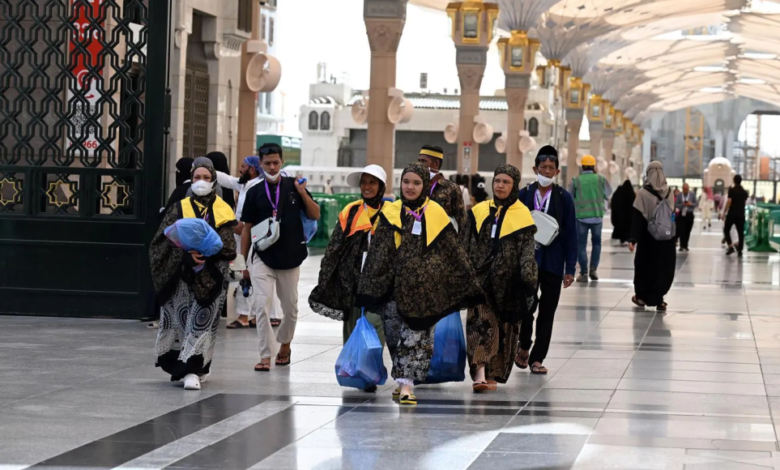

تُولي المملكة العربية السعودية اهتماماً بالغاً بصحة وسلامة حجاج بيت الله الحرام، وهو التزام تاريخي يمتد لعقود طويلة جعل من رعاية الحجاج أولوية قصوى للقيادة الرشيدة. وفي إطار هذا الالتزام، تتصدر الخدمات الصحية في الحج قائمة الجهود الوطنية، حيث سخرت حكومة خادم الحرمين الشريفين كافة الإمكانات البشرية والمادية والتقنية لضمان راحة الحجاج. وقد أعلنت المنظومة الصحية عن تقديم أكثر من (655,983) خدمة صحية لضيوف الرحمن منذ بدء موسم حج عام (1447هـ) وحتى اليوم الخامس من شهر ذي الحجة.
تأتي هذه الجهود الجبارة انسجاماً مع مستهدفات “برنامج تحول القطاع الصحي” و”برنامج خدمة ضيوف الرحمن”، وهما من الركائز الأساسية لرؤية المملكة 2030، والتي تهدف إلى تمكين الحجاج من أداء مناسكهم بيسر وسهولة وفي بيئة صحية آمنة. تاريخياً، تعتبر إدارة الحشود الطبية خلال موسم الحج من أعقد العمليات اللوجستية والصحية على مستوى العالم. ومع ذلك، أثبتت وزارة الصحة السعودية كفاءة استثنائية جعلتها مرجعاً دولياً تعترف به منظمة الصحة العالمية في مجال طب الحشود. هذا التأثير لا يقتصر على المستوى المحلي فحسب، بل يمتد إقليمياً ودولياً، حيث تعكس هذه الأرقام قدرة المملكة على التعامل مع ملايين البشر في مساحة جغرافية محدودة وزمن قياسي، مما يبعث برسالة طمأنينة للعالم أجمع.
إحصائيات الرعاية الطبية والتدخلات الجراحية
وفي تفاصيل الإحصائيات الرسمية الصادرة عن وزارة الصحة، بلغ إجمالي المستفيدين من خدمات المراكز الصحية والرعاية العاجلة (36,159) مستفيداً. كما استقبلت أقسام الطوارئ في المستشفيات (24,481) حالة تعاملت معها الكوادر الطبية باحترافية عالية. وعلى صعيد العيادات الخارجية، تم تقديم الرعاية لـ (3,250) مستفيداً، في حين تطلبت الحالة الصحية لـ (3,328) حاجاً التنويم في المستشفيات لتلقي العلاج اللازم والمتابعة الدقيقة.
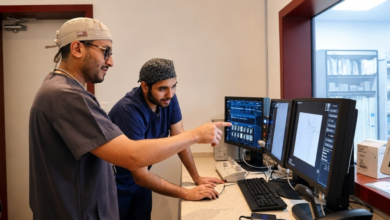
ولم تقتصر الخدمات الصحية في الحج على الرعاية الأولية، بل شملت التدخلات الجراحية الدقيقة لإنقاذ الحياة، حيث أُجريت (240) عملية جراحية متقدمة، من بينها (167) عملية قسطرة قلبية، و(9) عمليات قلب مفتوح، مما يعكس الجاهزية التامة لغرف العمليات والكوادر المتخصصة.
سرعة الاستجابة والتعامل مع الإجهاد الحراري
نظراً للظروف المناخية وارتفاع درجات الحرارة التي تتزامن مع موسم الحج، باشرت الفِرق الطبية الميدانية التعامل الفوري وبكفاءة تامة مع (15) حالة أُصيبت بالإجهاد الحراري. وتعمل هذه الفرق ضمن منظومة ميدانية متطورة تهدف إلى سرعة الاستجابة ورفع كفاءة التدخل الطبي في مختلف المواقع بالمشاعر المقدسة، مدعومة بسيارات إسعاف مجهزة بأحدث التقنيات ومراكز تبريد متخصصة.
الرعاية الوقائية والخدمات الاستشارية
إلى جانب الرعاية العلاجية، تلعب الجهود الوقائية دوراً حاسماً في الحفاظ على الصحة العامة ومنع تفشي الأمراض. وقد تجاوزت الخدمات الوقائية المقدمة (289,700) خدمة، مما أسهم بشكل مباشر في تعزيز صحة ضيوف الرحمن. كما وفرت الوزارة قنوات تواصل فعالة على مدار الساعة، حيث استقبل مركز الاتصال الموحد (937) أكثر من (13,615) اتصالاً لتقديم الاستشارات الطبية، والتوجيهات الصحية، والإجابة على استفسارات الحجاج بلغات متعددة.
ختاماً، تُواصل المنظومة الصحية في المملكة جهودها بكفاءة عالية، معتمدة على خطط استباقية مدروسة ومنظومة خدمات صحية متكاملة وعالية الجودة. هذا الالتزام المستمر يضمن تقديم رعاية طبية متقدمة وآمنة لضيوف الرحمن، ويجسد أسمى معاني الإنسانية والرعاية التي تقدمها المملكة لخدمة الإسلام والمسلمين.