
استعدادات استثنائية لخدمة ضيوف الرحمن
يقف موسم الحج في كل عام كأحد أكبر التجمعات البشرية وأكثرها تعقيداً على وجه الأرض، مما يتطلب تخطيطاً استراتيجياً دقيقاً لضمان سلامة الملايين من الحجاج. وفي هذا السياق، وقف وزير الصحة، الأستاذ فهد بن عبدالرحمن الجلاجل، على جاهزية المنظومة الصحية المخصصة لخدمة ضيوف الرحمن خلال موسم الحج، وذلك ضمن جولاته الميدانية المكثفة. تهدف هذه الجولات إلى التأكد من الجاهزية التامة للخدمات الصحية وتقديمها بأعلى معايير الكفاءة والجودة، انسجاماً مع مستهدفات “برنامج تحول القطاع الصحي” و”برنامج خدمة ضيوف الرحمن”، وهما من الركائز الأساسية المنبثقة عن رؤية المملكة العربية السعودية 2030، لتمكين الحجاج من أداء مناسكهم بصحة وطمأنينة تامة.
تاريخ حافل في إدارة طب الحشود
تاريخياً، تمتلك المملكة العربية السعودية خبرة متراكمة تمتد لعقود في إدارة صحة الحشود، وهو تخصص طبي باتت المملكة مرجعاً عالمياً فيه. إن التحدي المتمثل في تقديم الرعاية الطبية الفورية لملايين الأشخاص المتواجدين في مساحة جغرافية محدودة وخلال فترة زمنية قصيرة، دفع المنظومة الصحية السعودية إلى تبني أحدث الابتكارات التكنولوجية لتجاوز العقبات اللوجستية، مثل الازدحام المروري وصعوبة التنقل في المشاعر المقدسة، مما يعكس تأثيراً إيجابياً بالغاً على السمعة الدولية للمملكة في إدارة الأزمات والتجمعات الكبرى.
ابتكارات تقنية: الدرون والرقابة الذكية
خلال الجولة التفقدية، شارك معالي وزير الصحة في استعراض عدد من جهات المنظومة الصحية لتقنياتها الحديثة. برزت الشركة الوطنية للشراء الموحد للأدوية والأجهزة والمستلزمات الطبية “نوبكو” بمجموعة من الابتكارات الرائدة، لعل أهمها استخدام الطائرات المسيّرة “الدرون” للإمداد الطبي السريع، وهي خطوة نوعية تضمن وصول الأدوية الحيوية للمستشفيات الميدانية في وقت قياسي متجاوزة كافة العوائق الأرضية. كما استعرضت الهيئة العامة للغذاء والدواء آلياتها ومركباتها الرقابية المجهزة بثلاجات متطورة لحفظ العينات، بالإضافة إلى تزويد المفتشين بكاميرات جسدية لضمان أعلى درجات الشفافية والرقابة على الأغذية والأدوية المقدمة للحجاج.
الأسطول الإسعافي: تنوع وسرعة استجابة
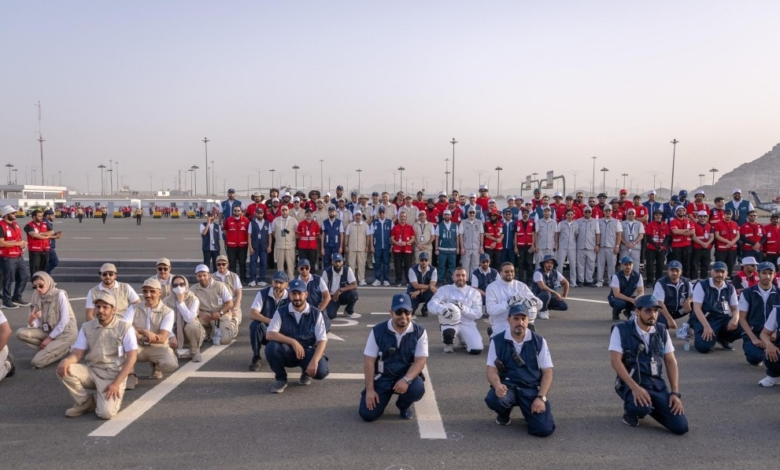
من جانبها، قدمت شركة الصحة القابضة أنظمتها التقنية المتقدمة لإدارة الأسطول الإسعافي وإدارة الفرز الطبي، والتي شملت الدراجات الكهربائية الإسعافية المصممة لتسريع تنقل الكوادر الطبية بين الحشود. وفي سياق متصل، استعرضت هيئة الهلال الأحمر السعودي خطتها التشغيلية الضخمة لهذا العام، والتي تعتمد على أسطول جبار يضم أكثر من 3000 آلية إسعافية متنوعة. يشمل هذا الأسطول مركبات التدخل السريع، وعربات الجولف الكهربائية، والدراجات النارية والهوائية، والسكوترات الإسعافية، إلى جانب 11 طائرة إسعافية ضمن منظومة الإسناد الجوي المخصصة لنقل الحالات الحرجة بسرعة فائقة إلى المستشفيات المتخصصة.
حلول مبتكرة للمناطق المزدحمة
لضمان تغطية كافة المواقع، وخاصة طرق المشاة والمناطق شديدة الازدحام التي يصعب على سيارات الإسعاف التقليدية دخولها، تم استعراض آليات متخصصة مثل عربات الجولف الكهربائية المكيّفة. كما برزت الكراسي الإسعافية الكهربائية “رفيدة”، والتي تمثل حلاً مبتكراً يسهم في الوصول السريع للحالات الطارئة داخل المسارات ذات الكثافة البشرية العالية، مما يتيح تقديم الرعاية الإسعافية الأولية بشكل مباشر وفعال. إن هذا التكامل بين الكوادر البشرية المؤهلة والتقنيات المتقدمة يعكس التزام المملكة الراسخ بتقديم رعاية صحية استثنائية تليق بضيوف الرحمن.