Two million hours of health volunteering and a rise in blood donations to 99%

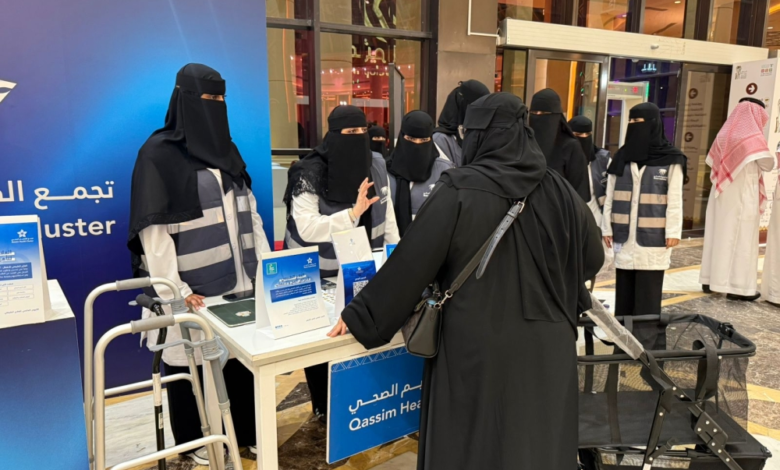
In a national achievement reflecting the growing social solidarity and health awareness, the health sector recorded an unprecedented milestone by surpassing two million volunteer hours . This achievement didn't stop there; blood banks witnessed an exceptional surge in female participation, contributing to a 99% increase in voluntary blood donations. This represents a qualitative leap in community awareness and women's active involvement in supporting the health system.
The importance of health volunteering within Vision 2030
Health volunteering is one of the most important pillars upon which modern healthcare systems rely to enhance the quality of medical care. Within the framework of the Kingdom's Vision 2030, volunteer work receives significant attention, with the vision aiming to reach one million volunteers across various fields. Achieving two million hours of health volunteering reflects the success of governmental and community initiatives in attracting medical professionals, healthcare practitioners, and even qualified individuals to provide healthcare services, medical education, and participation in preventative campaigns. This alleviates the burden on hospitals and health centers and enhances the overall efficiency of the healthcare system.
A surge in female participation raises blood donation rates to 99%
Historically, blood donation rates have been heavily skewed towards men due to societal awareness and misconceptions about women's ability to donate. However, the recent surge in female participation, which has raised voluntary blood donation rates to 99%, is a strong indicator of the success of health awareness campaigns targeting women. Women have proven their ability to be essential partners in saving lives, and their significant contribution has helped secure a safe and sustainable strategic blood supply for blood banks, which is vital for handling emergencies, major surgeries, and treating patients with cancer and inherited blood disorders.
Historical context and the development of blood donation culture
In past decades, blood donation often relied on replacement donations (donations from relatives and friends to the patient). However, with the development of the healthcare system and the launch of national initiatives and smart applications such as the Wateen app, societal culture has shifted towards sustainable, voluntary blood donation. These applications have facilitated the donation process and connected donors with blood banks experiencing shortages of specific blood types, making the donation process more organized and efficient. The current achievement of reaching 99% voluntary blood donation puts an end to reliance on replacement donations and aligns with the World Health Organization's recommendations urging countries to achieve self-sufficiency in safe blood through voluntary donors.
Local, regional and international impact
At the local level, this achievement ensures the stability of the healthcare system and its ability to respond quickly to crises, especially during Hajj and Umrah seasons, which require exceptional medical preparations. Regionally, this success provides a model for neighboring countries on how to activate the role of society, particularly women, in supporting the health sector. Internationally, recording two million hours of health volunteering and reaching these high rates of voluntary donation enhances the country's ranking in global health indicators and highlights its commitment to achieving the Sustainable Development Goals related to health and well-being.
In conclusion, the combined efforts of health volunteers and the community, especially the leading role recently played by women, prove that investing in people and awareness is the true guarantee for building a healthy, safe and sustainable society.