Hegseth denies the presence of troops in Iran, and Larijani vows retaliation

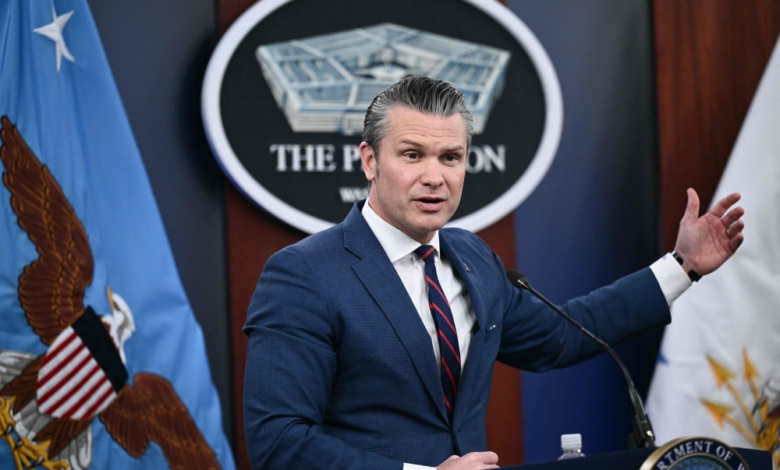
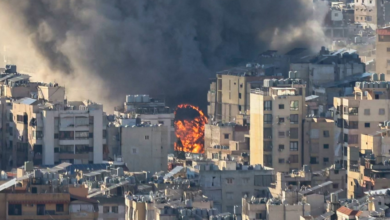
In a significant development amid escalating events in the Middle East, US Defense Secretary Pete Hegseth put an end to speculation regarding the nature of ongoing military operations, categorically stating that there are no US forces inside Iranian territory. These remarks come at a time of unprecedented tension in the region, as US and Israeli military operations against Tehran become increasingly intertwined.
A new military strategy: Victory without nation-building
During his first press conference since the escalation of tensions, Higseth outlined the new US military doctrine for dealing with Iran. He explained that Washington had abandoned the policies of "nation-building" or attempts to "impose democracy" by force, policies that characterized previous US interventions in the region. Higseth stated decisively: "No more stupid rules of engagement, no more nation-building quagmires. We fight to win, not waste time or lives on politically expedient wars.".
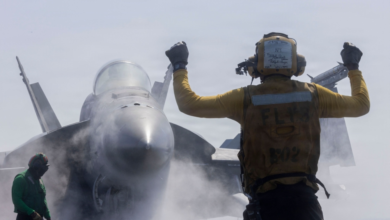
Analysts point out that this shift reflects an American desire to carry out precise strategic strikes and cripple the adversary's military capabilities without getting involved in a costly ground invasion, which explains the Secretary's emphasis on not sending troops into Iran, while maintaining readiness to "go as far as possible" to achieve military objectives.
Larijani: Defending a civilization that spans thousands of years
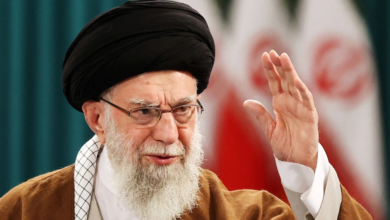
In response, Iran issued a swift and sharp rebuke through Ali Larijani, advisor to the Supreme Leader and former Secretary of Iran's Supreme National Security Council. Larijani asserted that his country would not stand idly by, vowing that Tehran would defend itself "at any cost." In a post on the "X" platform, Larijani invoked the historical and civilizational dimensions of the conflict, stating, "We continue to fiercely defend ourselves and our six-thousand-year-old civilization," adding a warning that "the enemies will regret their miscalculation.".
The context of the conflict and its regional repercussions
These exchanges of statements come amid a highly complex regional context, where countries in the region and the world fear a slide into a full-blown war that could disrupt global energy supplies and maritime traffic through vital straits. Historically, US-Iranian relations have been characterized by persistent tension since 1979, but the current confrontation represents a dangerous turning point that could reshape the geopolitical landscape of the Middle East.
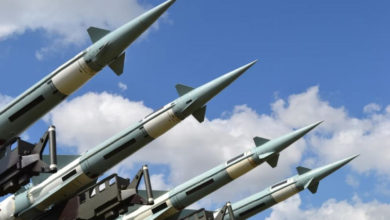
Observers believe that Washington’s emphasis on not launching a ground invasion may be aimed at reassuring the American public and avoiding provoking public opinion, while the Iranian rhetoric focuses on internal mobilization and brandishing missile deterrence capabilities, which puts the region in front of open scenarios ranging from limited military escalation to a full-scale confrontation.