Concealed surgery in Riyadh: Single-stage endoscopic technique ends the era of scars

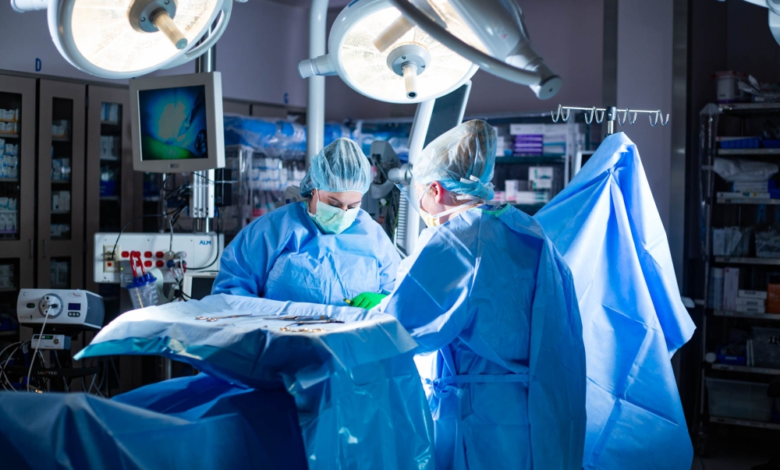
In a qualitative leap for the medical sector in the Kingdom of Saudi Arabia, specifically in the capital, Riyadh, Dr. Yazid Al-Yousef, a consultant in obstetrics and gynecology, endoscopic and robotic surgery, and single-port endoscopic surgery, revealed the localization of an advanced medical technology known globally as “hidden surgery” or single-port endoscopy, thus ending a long era of concerns related to traditional surgical scars.
A historical development in the world of surgery
To understand the significance of this achievement, one must consider the historical context of gynecological surgery. Surgery has long been associated with traditional abdominal incisions, leaving large scars and a long, painful recovery period. With advancements in medicine, traditional laparoscopic surgery emerged, requiring three to four incisions in the abdomen. While this was a significant improvement over open surgery, it still left visible scars. Today, the "single-laparoscopic" technique takes this development to an unprecedented level, allowing complex procedures to be performed through a single, hidden incision within the navel.
Details of the technology and how it works
Dr. Al-Yousef explained that this advanced technique employs a precise mechanism that completely eliminates the need for traditional surgeries or multi-incision laparoscopy. The surgeon uses a single incision, no more than 1.5 cm long, located at the base of the navel, through which all surgical instruments and the miniature camera are inserted. The list of procedures that can be performed using this technique includes a wide range of treatments, from hysterectomy and ovarian cyst removal to the treatment of ectopic pregnancies, tubal ligation, fibroid removal, and the treatment of chronic gynecological pain.
Medical and psychological benefits that go beyond cosmetics
The advantages of this technique extend beyond the cosmetic aspect of completely concealing the scar and preserving a natural body appearance. They also encompass profound health and psychological benefits. Studies have shown an improvement in patient satisfaction of up to 80% compared to traditional surgeries. Al-Yousef emphasized that single-laparoscopy significantly reduces pain levels by 30% to 50%, due to avoiding the cutting of the abdominal muscles, thus minimizing the need for strong painkillers.
Economic and social repercussions
From an economic and social perspective, localizing this technology, previously confined to a few global centers like South Korea, is a significant gain for the local healthcare system. It reduces hospital stays to one day or less, allowing patients to wake up and resume their normal lives as if they had just had a normal day. This rapid recovery accelerates the return to work and childcare, making it an ideal option for working women and mothers, and alleviating the economic burden on families and the healthcare system as a whole.
The future: merging robotics and artificial intelligence
In looking ahead to the future of these surgeries, a consultant in laparoscopic and robotic surgery pointed out that combining single-incision techniques with surgical robots offers unparalleled precision, akin to a surgeon's perfect hand, and significantly increases safety and success rates. This integration reduces the risks of infection, bleeding, and hernias, and facilitates tissue removal without the need for widening incisions, thus significantly minimizing complications, especially for overweight women or those with a history of previous surgery. This underscores the Kingdom's steady progress towards regional medical leadership in women's health.