
تدخل طبي عاجل ينقذ حاجاً جزائرياً في مكة
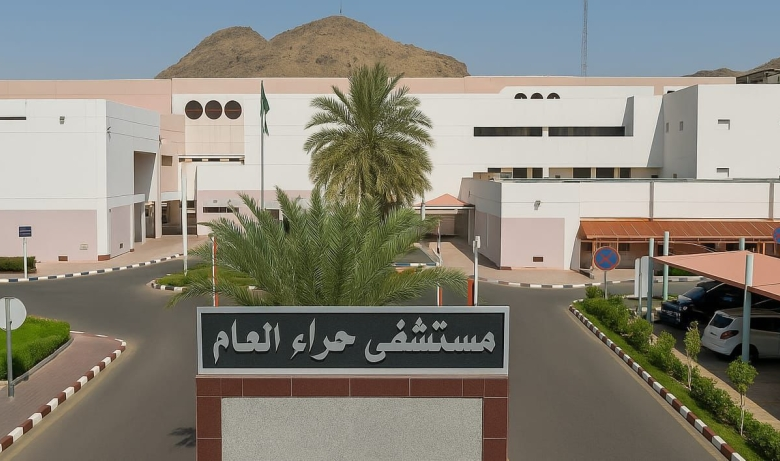
في شهادة جديدة على كفاءة المنظومة الصحية السعودية خلال مواسم الحج، تمكن فريق طبي متخصص في مستشفى حراء العام، عضو تجمع مكة المكرمة الصحي، من إنقاذ حياة حاج من الجنسية الجزائرية يبلغ من العمر 64 عاماً، وذلك بعد تعرضه لمضاعفات صحية حرجة تمثلت في انسداد تام بالقولون أثناء تأديته لمناسك الحج. ويأتي هذا التدخل الناجح ضمن الجهود المتكاملة التي تبذلها المملكة لضمان سلامة ورعاية ضيوف الرحمن.
السياق العام: الرعاية الصحية في موسم الحج
يُعد موسم الحج أكبر تجمع ديني سنوي في العالم، حيث يفد ملايين المسلمين من مختلف أنحاء الأرض إلى مكة المكرمة. هذا التجمع الهائل يفرض تحديات لوجستية وصحية استثنائية. وتولي حكومة المملكة العربية السعودية، بقيادة خادم الحرمين الشريفين، أولوية قصوى لتقديم خدمات صحية متكاملة ومجانية لجميع الحجاج. يتم تجهيز شبكة واسعة من المستشفيات والمراكز الصحية في مكة المكرمة والمدينة المنورة والمشاعر المقدسة (منى، عرفات، مزدلفة) بأحدث التقنيات والكوادر الطبية المؤهلة للتعامل مع كافة الحالات الطارئة، من ضربات الشمس والإجهاد الحراري وصولاً إلى الحالات الجراحية المعقدة والأمراض المزمنة.
تفاصيل الحالة والتدخل الجراحي
وصل الحاج الجزائري إلى قسم الطوارئ بمستشفى حراء العام وهو يعاني من آلام حادة في البطن. وبعد إجراء التقييم السريري والفحوصات التشخيصية المتقدمة، تبين وجود انسداد كامل في القولون، وهي حالة طبية طارئة تتطلب تدخلاً جراحياً فورياً لتجنب مضاعفات خطيرة قد تهدد الحياة. على الفور، تم تفعيل مسار الرعاية العاجلة، وقرر الفريق الطبي إجراء عملية جراحية استكشافية عاجلة.
استغرقت العملية الجراحية المعقدة حوالي 3 ساعات متواصلة، شارك فيها فريق طبي متكامل ومتعدد التخصصات ضم 9 ممارسين صحيين من أقسام الجراحة، والتخدير، والعناية المركزة، بالإضافة إلى فرق التمريض والخدمات المساندة. تضمنت العملية إجراء فتح استكشافي للبطن وعمل مفاغرة للقولون، وهي خطة علاجية دقيقة هدفت إلى الحفاظ على استقرار الحالة ورفع فرص التعافي.
أهمية الإنجاز وتأثيره
لا يقتصر نجاح هذه العملية على إنقاذ حياة إنسان فحسب، بل يحمل أبعاداً أوسع. فعلى الصعيد المحلي، يعزز هذا الإنجاز ثقة الكوادر الطبية السعودية ويبرز جاهزية القطاع الصحي في مكة للتعامل مع أصعب الحالات. أما على الصعيد الدولي، فهو يرسل رسالة طمأنة قوية إلى العالم الإسلامي بأن حجاجه يحظون بأعلى مستويات الرعاية الطبية. وأكد الدكتور خالد الزهراني، رئيس قسم الجراحة بالمستشفى، أن سرعة التشخيص والتدخل المبكر كان لهما دور محوري في نجاح التعامل مع الحالة وتقليل المضاعفات المحتملة، مشيداً بالتناغم والتكامل بين مختلف التخصصات الطبية الذي أسهم في تحقيق أفضل النتائج الممكنة للمريض.
وبفضل الله، شهدت الحالة الصحية للحاج تحسناً ملحوظاً واستقراراً في مؤشراته الحيوية بعد نجاح العملية، حيث بدأ يستجيب بشكل جيد للخطة العلاجية الموضوعة، مما يعكس كفاءة الرعاية المقدمة في جميع مراحل العلاج، من التشخيص إلى الجراحة ثم المتابعة ما بعد العملية.