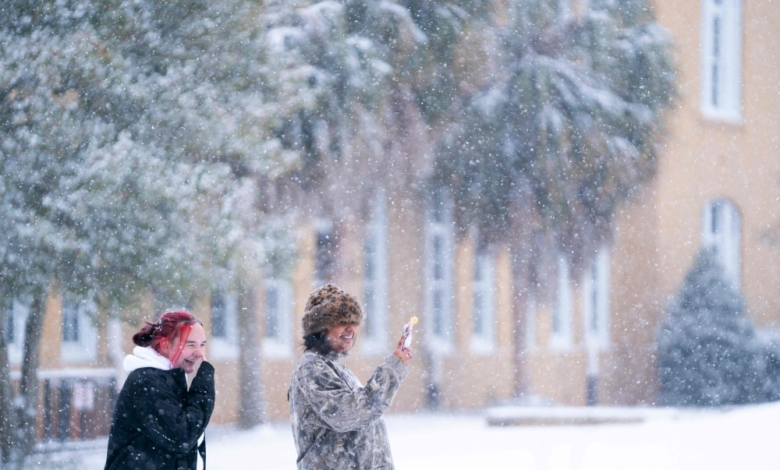
A snowstorm hits South America, recording the lowest temperature since 1989

An unprecedented snowstorm swept across vast areas of the southern United States, leaving widespread devastation and bringing daily life to a standstill, in what experts described as the worst weather event in decades. This harsh, icy weather, which struck states unaccustomed to such polar conditions, resulted in the deaths of more than 100 people in various weather-related incidents, ranging from traffic accidents caused by slippery conditions to deaths from hypothermia.
Warnings of a deep coastal cyclone
The US National Weather Service reported in its latest data that the situation is likely to worsen, with experts monitoring the development of a "coast cyclone" that is growing in intensity and depth. This low-pressure system is expected to bring moderate to heavy snowfall, accompanied by strong winds that could reach storm force, threatening power outages and uprooting trees.
Forecasts indicate that North and South Carolina will be at the heart of the storm, with the National Weather Service warning of blizzard conditions that could blanket the two states. The effects will extend to parts of Georgia, eastern Tennessee, Kentucky, and as far south as Virginia. The agency confirmed that a powerful surge of polar air associated with this coastal storm will cause temperatures to plummet below freezing, with the frigid temperatures expected to reach the normally warmer regions of South Florida by Sunday morning.
Historical comparison: Winter 1989 returns to memory
This extreme weather event evokes memories of the harsh winter of 1989, with forecasts indicating the region could experience its lowest temperatures since that year. The danger lies in the fact that, unlike in the northern states, the infrastructure in the southern states is not designed to withstand prolonged periods of freezing temperatures. Homes often lack adequate insulation, and water and electricity networks are more prone to failure under these conditions, exacerbating the suffering of residents.
Widespread repercussions
The effects of this storm extend beyond human impact, encompassing significant economic and logistical repercussions. Ice and snow accumulation are expected to disrupt air and land transportation, close major highways, and impede supply chains. The arrival of frost in Florida also raises serious concerns about agricultural crops, particularly the citrus fruits for which the state is renowned, potentially leading to substantial economic losses for farmers and a surge in agricultural product prices.
Under these circumstances, the authorities called on citizens to exercise extreme caution and stay at home except when absolutely necessary, while emphasizing the need to rationalize energy consumption to avoid the collapse of electrical grids under the pressure of increased heating demand.