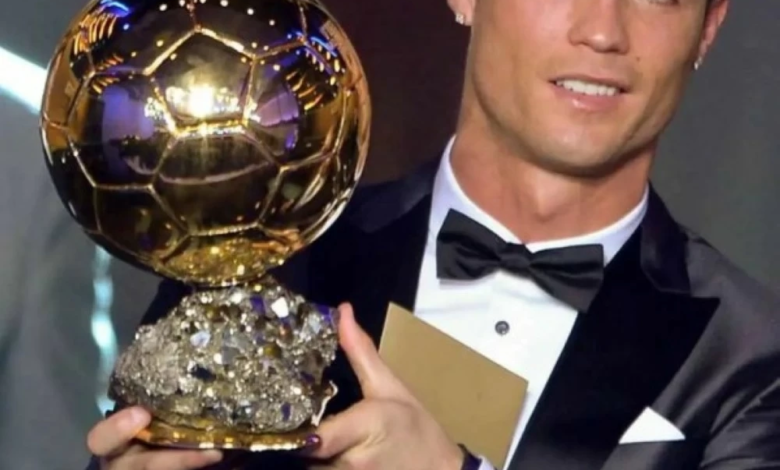

The Ballon d'Or is the most prestigious and coveted individual award in football, representing the ultimate dream for any player aspiring to etch their name in the annals of history. For decades, this award has been more than just an annual accolade; it has witnessed entire eras of football, from the classics to the modern age, which has seen fierce competition and an unprecedented duopoly between Lionel Messi of Argentina, the most decorated player, and Cristiano Ronaldo of Portugal. The list of honorees includes names etched in gold such as Johan Cruyff, Michel Platini, Marco van Basten, and Zinedine Zidane, as well as current stars like Karim Benzema and Luka Modric.
A rich history and continuous development
The origins of this award trace back to 1956 when it was launched by the prestigious French magazine "France Football." Initially, the award was limited to European players, thus preventing legends like Pelé and Maradona from officially competing for it at the peak of their careers. As the game evolved and became more globalized, the magazine expanded the award's scope in 1995 to include any player active in European clubs, before becoming a truly global award in 2007, honoring the best regardless of nationality or the league in which they play.
Voting mechanism and selection criteria
Regarding the technical aspects of the award, football coach and sports historian Salman Abdul Sattar explained to Okaz newspaper that the process is governed by a precise system. It begins with the magazine's experts selecting a preliminary list, which is then passed on to a judging panel comprised of specialized journalists representing the top 100 countries in the FIFA rankings. This panel ranks the top five players based on specific points, with the player accumulating the highest score winning.
Abdul Sattar emphasized that fame alone is not enough to win, noting that the basic criteria include:
- Individual and decisive performance: goals, assists, and direct impact in big games.
- Collective achievements: Titles won with the club and the national team.
- Behavior and fair play: sportsmanship and discipline on and off the field.
Audience influence and the future of the award
Regarding the role of the public, Abdul Sattar pointed out that while fans do not have the right to vote directly, public pressure and interaction on social media platforms contribute to enhancing the player's media presence, which may indirectly influence the opinions of voting journalists. The award remains a symbol of the player's market and intrinsic value, opening up significant sponsorship opportunities and immortalizing the player's career as a global icon.
A new era and female dominance
In a related context, Abdul Sattar highlighted the results for 2025, noting that Frenchman Ousmane Dembélé won the Men's Ballon d'Or after an exceptional season in which he led Paris Saint-Germain to European glory, while Spanish football continued its dominance in the women's category. Barcelona star Aitana Bonmatí achieved a historic feat by winning the award for the third consecutive time, reflecting the tremendous progress women's football has made and the ability of players to deliver performances that meet the highest international standards.