
اكتمال جاهزية المشاعر المقدسة لموسم الحج
تتجه أنظار ملايين المسلمين حول العالم نحو مكة المكرمة مع بدء أيام الحج المباركة، حيث أعلنت مختلف الجهات الحكومية والخدمية والأمنية في المملكة العربية السعودية عن اكتمال جاهزية المشاعر المقدسة لاستقبال ضيوف الرحمن. وقد رفعت هذه الجهات من مستوى استعداداتها واستكملت خططها التشغيلية لضمان تقديم أفضل الخدمات للحجاج الذين يبدأ توافدهم اعتباراً من اليوم السابع من شهر ذي الحجة، وصولاً إلى يوم التروية في الثامن من ذي الحجة، حيث تنطلق جموع الحجاج نحو مشعر منى لقضاء يوم التروية وسط منظومة متكاملة من الرعاية والتنظيم الدقيق.
السياق التاريخي والأهمية العالمية لخدمة الحجاج
تاريخياً، تولي المملكة العربية السعودية منذ تأسيسها اهتماماً بالغاً وعناية فائقة بخدمة الحرمين الشريفين والمشاعر المقدسة. يُعد الحج الركن الخامس من أركان الإسلام، وتعتبر استضافة ملايين الحجاج سنوياً في مساحة جغرافية محدودة وخلال فترة زمنية قصيرة أحد أكبر التحديات اللوجستية في العالم. إن نجاح موسم الحج لا ينعكس محلياً فحسب، بل له تأثير إقليمي ودولي واسع، حيث يعزز من مكانة المملكة كقلب نابض للعالم الإسلامي، ويؤكد قدرتها الفائقة على إدارة الحشود الضخمة وتوفير الأمن والسلامة لمواطني مختلف دول العالم القادمين لأداء الفريضة.
تجهيزات البنية التحتية في منى وعَرَفات ومُزدلفة
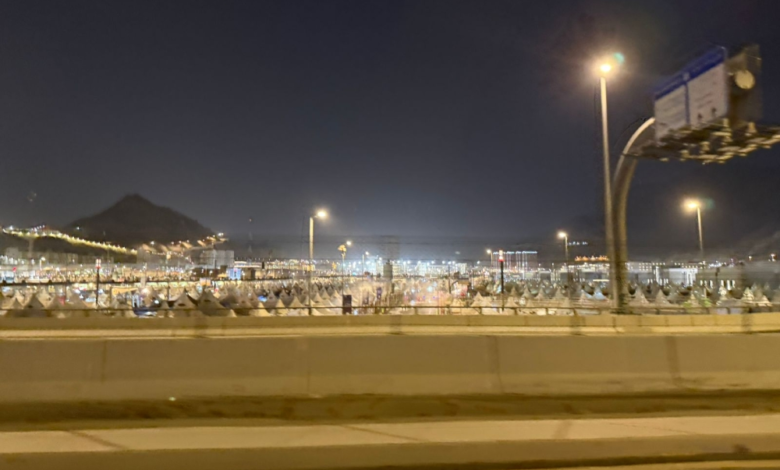
على الصعيد الميداني، شهدت المشاعر المقدسة خلال الأيام الماضية تكثيفاً غير مسبوق للأعمال التشغيلية. في مشعر منى، الذي يضم أكبر مدينة خيام مطورة ومقاومة للحريق في العالم، تم الانتهاء من تهيئة المخيمات ومرافق الإعاشة. كما شملت التجهيزات في عرفات ومزدلفة رفع كفاءة شبكات الكهرباء والمياه والاتصالات، إلى جانب تعزيز أعمال النظافة والإصحاح البيئي. هذه الجهود الجبارة تهدف بشكل أساسي إلى توفير بيئة آمنة، صحية، ومهيأة بالكامل لراحة الحجاج أثناء تأديتهم للمناسك.
الخطط الأمنية وإدارة الحشود
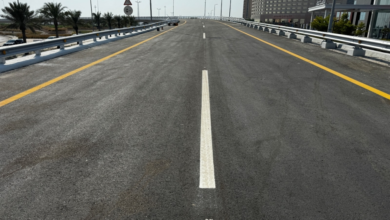
أمنياً، استكملت قوات أمن الحج كافة خططها الاستراتيجية لإدارة وتنظيم حركة الحشود والمركبات على الطرق المؤدية إلى المشاعر المقدسة. وتنتشر الفرق الأمنية والمرورية في كافة المواقع والمحاور الرئيسية، مدعومة بأحدث التقنيات وأنظمة المراقبة الذكية. يهدف هذا الانتشار الكثيف إلى تحقيق الانسيابية التامة في تنقل الحجاج، ومنع أي تدافع، والمحافظة على سلامتهم خلال جميع مراحل التصعيد والنفرة والتنقل بين المشاعر.
الرعاية الصحية والوقاية من الإجهاد الحراري
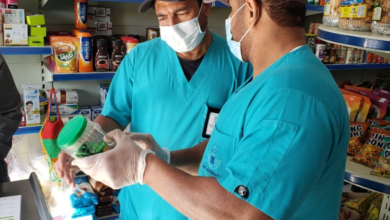
وفي الجانب الصحي، الذي يمثل أولوية قصوى، رفعت المنظومة الصحية جاهزيتها القصوى من خلال تجهيز المستشفيات الميدانية، والمراكز الصحية، والفرق الإسعافية المتنقلة. ومع تزامن موسم الحج مع ارتفاع درجات الحرارة، تم تكثيف الخدمات الوقائية والتوعوية. وتقوم وزارة الصحة بنشر رسائل إرشادية مستمرة بضرورة شرب السوائل، وتجنب التعرض المباشر لأشعة الشمس للوقاية من الإجهاد الحراري وضربات الشمس، مؤكدة على أهمية التزام ضيوف الرحمن بالإرشادات الصحية خلال أوقات الذروة لضمان سلامتهم.
منظومة النقل والخدمات اللوجستية
تواصل الجهات المعنية بالنقل والخدمات اللوجستية، بما في ذلك قطار المشاعر المقدسة وأسطول الحافلات الضخم، تنفيذ خطط التفويج وإدارة التدفقات البشرية بدقة متناهية. تعتمد هذه المنظومة التشغيلية على المتابعة الميدانية الدقيقة والتقنيات الحديثة لضمان سهولة انتقال الحجاج بين المشاعر وفق الجداول الزمنية المعتمدة. تعكس هذه الاستعدادات الشاملة حجم التكامل والتنسيق العالي بين مختلف القطاعات في المملكة، حرصاً على توفير أعلى مستويات الراحة والطمأنينة لضيوف الرحمن ليؤدوا مناسكهم بكل يسر وسهولة.