
مقدمة عن خيام المشاعر المقدسة
تشهد المملكة العربية السعودية تطوراً مستمراً ومذهلاً في تقديم أفضل الخدمات لضيوف الرحمن، وتبرز “خيام المشاعر المقدسة” كأحد أهم الإنجازات الوطنية التي تعكس التقدم البارز في مجال صناعة وتشغيل المرافق الخاصة بموسم الحج. لقد أصبحت هذه الخيام نموذجاً عالمياً يُحتذى به في الكفاءة التشغيلية، والقدرة الفائقة على تقديم خدمات متميزة تضمن راحة وسلامة الحجاج خلال أداء مناسكهم.
الخلفية التاريخية والتحول الاستراتيجي
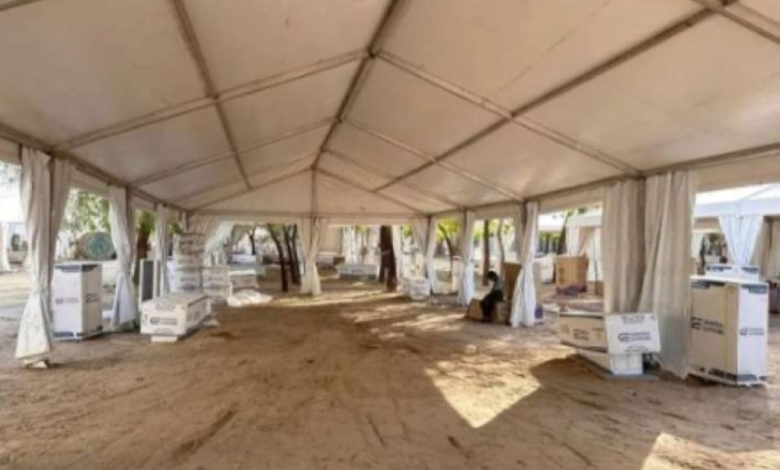
تاريخياً، كانت الخيام المستخدمة في مشعر منى تُصنع من الأقمشة القطنية التقليدية، مما كان يشكل تحدياً كبيراً لسلامة الحجاج، خاصة مع تزايد أعداد ضيوف الرحمن سنوياً. وفي أواخر التسعينيات، وتحديداً بعد عام 1997، اتخذت حكومة المملكة العربية السعودية قراراً استراتيجياً وتاريخياً بتنفيذ مشروع الخيام المطورة والمقاومة للحريق. شكل هذا المشروع نقلة نوعية في تاريخ الحج، حيث تم استبدال الخيام التقليدية بمدينة خيام حديثة ومتطورة، تُعد اليوم أكبر مدينة خيام في العالم، مما يعكس حرص القيادة السعودية على توفير أقصى درجات الأمان.
مواصفات فنية متقدمة ومعايير سلامة عالمية
يعتمد نظام خيام المشاعر المقدسة على منظومة متكاملة تهدف إلى تعزيز معايير السلامة إلى أقصى حد ممكن. تُصنع هذه الخيام من خامات متطورة جداً، أبرزها أقمشة الألياف الزجاجية المغطاة بمادة “التفلون” (Teflon). هذا التصميم الهندسي المبتكر يعزز من مقاومتها العالية للحرارة، والاشتعال، والعوامل الجوية المختلفة.
وتلتزم الخيام المستخدمة في موسم الحج بأعلى المواصفات والمعايير القياسية السعودية، حيث صُممت بحيث لا تقل كتلة المتر المربع منها عن 400 غرام. كما تمت معالجتها كيميائياً لتكون مضادة للهب، والمياه، والعفن الفطري. بالإضافة إلى ذلك، تتميز بقدرتها على مقاومة الكائنات المجهرية مثل الفطريات والبكتيريا، مما يضمن بيئة صحية وآمنة للحجاج.
ولم تكتفِ المملكة بجودة المواد، بل دعمت منظومة الخيام بشبكة متطورة من أنظمة الإنذار المبكر والإطفاء الذاتي للمياه، والتي تعمل بشكل تلقائي عند استشعار أي خطر، مما يوفر الأمان التام والراحة النفسية لضيوف الرحمن.
أكبر مدينة خيام في العالم: سعة استيعابية ضخمة
تمتد منظومة الخيام في مشعر منى على مساحات شاسعة تتجاوز 2.5 مليون متر مربع، وتستطيع استيعاب نحو 2.6 مليون حاج في وقت واحد. هذا الإنجاز الهندسي واللوجستي يجعلها أكبر مدينة خيام متصلة في العالم. إن هذا الحجم الهائل يعكس التخطيط الدقيق والاهتمام البالغ بتوفير بيئة مناسبة للحجاج، لتمكينهم من أداء مناسكهم بكل يسر وسهولة وطمأنينة.
الأهمية والتأثير المتوقع (محلياً وإقليمياً ودولياً)
على المستوى المحلي، يُعد تطوير وتشغيل منظومة الخيام بأيدٍ وكفاءات سعودية إنجازاً وطنياً كبيراً يتماشى مع مستهدفات رؤية السعودية 2030، والتي تضع خدمة ضيوف الرحمن في صدارة أولوياتها. كما يعكس هذا المشروع تقدم الصناعة السعودية وقدرتها على تلبية الاحتياجات المعقدة بأعلى معايير الجودة.
أما على الصعيدين الإقليمي والدولي، فإن “خيام المشاعر المقدسة” تقدم نموذجاً عالمياً فريداً في إدارة الحشود وتوفير الإسكان المؤقت والآمن للملايين في مساحة جغرافية محدودة وخلال فترة زمنية قصيرة. هذا النجاح السعودي يبعث برسالة طمأنينة لملايين المسلمين حول العالم، ويؤكد قدرة المملكة على إدارة أكبر تجمع بشري سنوي على وجه الأرض بكفاءة واقتدار، مما يعزز من مكانتها الرائدة في العالم الإسلامي والدولي.