
جهود استثنائية لمراقبة طقس المشاعر المقدسة خلال موسم الحج
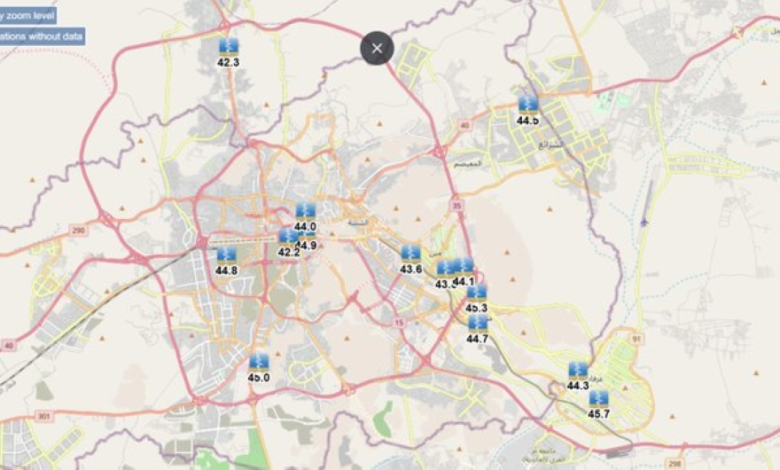
يواصل المركز الوطني للأرصاد في المملكة العربية السعودية جهوده الحثيثة لمتابعة مستويات ارتفاع درجات الحرارة في مكة المكرمة والمشاعر المقدسة. وتأتي هذه الخطوة الاستباقية بالتزامن مع التنبيهات الرسمية الصادرة بشأن الموجة الحارة الشديدة التي تشهدها المنطقة، والتي من المتوقع أن تنحسر وتيرتها مساء غدٍ. وتندرج هذه الإجراءات ضمن الجهود الشاملة التي تبذلها حكومة خادم الحرمين الشريفين لدعم سلامة ضيوف الرحمن وتوفير بيئة صحية وآمنة لهم خلال أداء مناسك الحج.
السياق التاريخي وتحديات المناخ في الحج
تاريخياً، يمثل موسم الحج أحد أكبر التجمعات البشرية في العالم، وبما أن التقويم الهجري يعتمد على الأشهر القمرية، فإن توقيت الحج يتنقل بين فصول السنة المختلفة. وفي السنوات الأخيرة، تزامن موسم الحج مع فصل الصيف الذي يشهد ذروة الارتفاع في درجات الحرارة في شبه الجزيرة العربية. هذا التحدي المناخي دفع الجهات المعنية في المملكة إلى تطوير بنية تحتية متقدمة للرصد الجوي، حيث أصبحت إدارة الحشود في ظل الظروف الجوية القاسية نموذجاً يُدرس عالمياً في مجال إدارة الأزمات والكوارث الطبيعية وحماية الصحة العامة.
21 محطة رصد ميدانية لضمان دقة البيانات
ولضمان أعلى معايير الدقة، يعتمد المركز الوطني للأرصاد في أعمال الرصد والمتابعة على 21 محطة أرصاد جوية ميدانية. جرى توزيع هذه المحطات استراتيجياً في مختلف أرجاء المشاعر المقدسة (منى، مزدلفة، عرفات) وفقاً لأدق المعايير الأرصادية المعتمدة دولياً من قبل المنظمة العالمية للأرصاد الجوية. وتعمل هذه المحطات المتطورة على رصد عناصر الطقس المختلفة، مثل درجات الحرارة، ونسب الرطوبة، وسرعة الرياح، على رأس كل ساعة. هذا الرصد الدقيق يسهم في توفير بيانات فورية وموثوقة تدعم أعمال الجهات ذات العلاقة، مثل وزارة الصحة والدفاع المدني، مما يسهل بناء خططها التشغيلية وتعديلها بناءً على المستجدات الميدانية.
الأهمية الاستراتيجية والتأثير المتوقع
على الصعيد المحلي، تسهم هذه المراقبة الدقيقة في تخفيف العبء عن القطاع الصحي من خلال تقليل حالات الإجهاد الحراري وضربات الشمس بين الحجاج، وتوجيه فرق الإسعاف بكفاءة أعلى. أما على الصعيدين الإقليمي والدولي، فإن هذه الإجراءات الشفافة والمتقدمة تبعث برسالة طمأنينة لملايين المسلمين حول العالم وللدول التي ترسل بعثاتها للحج، مؤكدةً قدرة المملكة العربية السعودية على حماية ضيوف الرحمن وتوفير أقصى درجات الرعاية لهم مهما كانت التحديات المناخية.
برامج التوعية والتنسيق المشترك
وفي هذا السياق، أوضح المتحدث الرسمي باسم المركز الوطني للأرصاد، حسين بن محمد القحطاني، أن المركز يواصل مراقبة الحالة الجوية بشكل مباشر ومستمر. وأكد على تعزيز التنسيق والتواصل الفعال مع كافة القطاعات المعنية وفق الخطط التنفيذية المعمول بها خلال موسم الحج، لضمان سرعة الاستجابة والتعامل الفوري مع أي مستجدات جوية طارئة.
وأشار القحطاني إلى أن المركز كثّف كذلك برامج التوعية المشتركة بالتعاون مع الجهات ذات العلاقة. تهدف هذه البرامج إلى رفع مستوى الوعي لدى الحجاج بالإجراءات الوقائية المرتبطة بارتفاع درجات الحرارة، مثل استخدام المظلات الشمسية، والإكثار من شرب السوائل، وتجنب التعرض المباشر لأشعة الشمس في أوقات الذروة. وختم حديثه بالتأكيد على الجاهزية التامة للمركز وكوادره الفنية المؤهلة لمتابعة الحالة الجوية على مدار الساعة، وتقديم المعلومات والتحديثات بشكل مستمر لضمان أداء الحجاج لمناسكهم بيسر وسهولة وأمان.