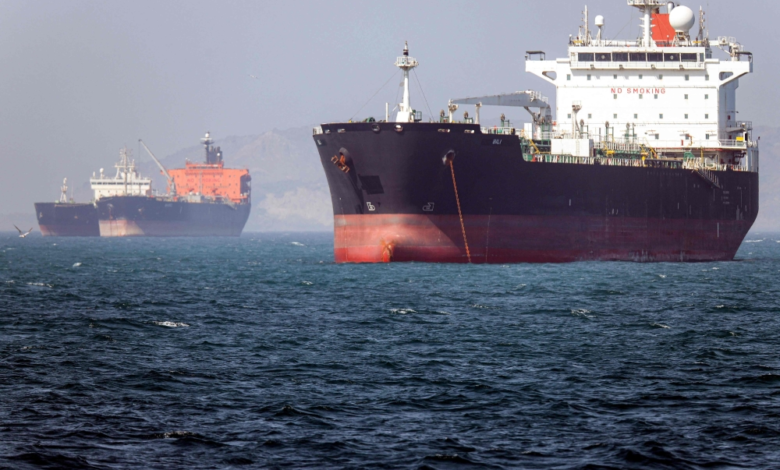

أطلقت منظمات دولية كبرى، بما في ذلك صندوق النقد الدولي والوكالة الدولية للطاقة، تحذيراً شديد اللهجة من أن العالم قد يواجه نقصاً حاداً في إمدادات الوقود خلال فصل الصيف، ما لم تتم استعادة حرية الملاحة البحرية عبر مضيق هرمز بشكل فوري. ويأتي هذا التحذير في وقت تتناقص فيه مخزونات النفط العالمية بوتيرة قياسية، مما يهدد أمن الطاقة العالمي ويزيد من هشاشة الاقتصاد الدولي.
الأهمية الاستراتيجية لمضيق هرمز
يُعد مضيق هرمز أحد أهم الممرات المائية في العالم، إن لم يكن أهمها على الإطلاق، حيث يمثل شريان الحياة لأسواق الطاقة العالمية. يربط هذا الممر المائي الحيوي بين الخليج العربي وخليج عُمان، ومنه إلى بحر العرب والمحيط الهندي. تمر عبره يومياً قرابة خُمس إمدادات النفط العالمية، بالإضافة إلى كميات هائلة من الغاز الطبيعي المسال، خاصة من قطر، أكبر مصدر للغاز الطبيعي المسال في العالم. تاريخياً، كان المضيق دائماً نقطة توتر جيوسياسي نظراً لموقعه الاستراتيجي وتحكم إيران في ساحله الشمالي، مما يجعله ورقة ضغط في النزاعات الإقليمية والدولية.
تداعيات اقتصادية عالمية محتملة
في بيان مشترك صدر يوم الجمعة، أعرب رؤساء صندوق النقد الدولي، والبنك الدولي، والوكالة الدولية للطاقة، ومنظمة التجارة العالمية عن قلقهم البالغ. وجاء في البيان: “تتقلص مخزونات النفط العالمية بوتيرة قياسية بسبب الخسارة الكبيرة في الشحنات التي تمر عبر مضيق هرمز”. وأضافوا: “إذا لم تعد حركة الملاحة البحرية إلى طبيعتها، فإن الانخفاض السريع والمستمر في المخزونات العالمية قبل ذروة الطلب الصيفي في نصف الكرة الشمالي، سيمثل خطراً متزايداً على أمن الطاقة وأوضاع السوق، وبشكل أوسع، قدرة الاقتصاد على الصمود”. إن أي تعطيل طويل الأمد للملاحة في المضيق سيؤدي حتماً إلى ارتفاع صاروخي في أسعار النفط، مما سيغذي التضخم العالمي ويضع ضغوطاً هائلة على الاقتصادات المتقدمة والنامية على حد سواء.
ارتفاع أسعار الطاقة والأسمدة يهدد الأمن الغذائي
لم يقتصر التحذير على الوقود فقط، بل شمل أيضاً أسعار الأسمدة التي شهدت ارتفاعاً كبيراً. وأوضح البيان أن هذا الارتفاع يثير قلقاً خاصاً مع دخول العديد من البلدان موسم الزراعة، حيث أن ارتفاع تكاليف الأسمدة يؤثر بشكل غير متناسب على البلدان ذات الدخل المنخفض، مهدداً أمنها الغذائي. وأكد المسؤولون أن الارتفاع الحاد في أسعار منتجات الطاقة والأسمدة بسبب الصراع كان له تأثير غير متناسب على البلدان ذات الدخل المنخفض. وكانت المديرة العامة لصندوق النقد الدولي، كريستالينا غورغييفا، قد أشارت في وقت سابق إلى أن الحرب تسببت في تقليص توقعات النمو العالمي، مما يزيد من تعقيد المشهد الاقتصادي.
خلفية التوترات والتحرك الدولي
جاء تقييد حركة الملاحة في مضيق هرمز من قبل إيران كرد فعل على التوترات المتصاعدة في المنطقة. ويمر عبر هذا الممر المائي الحيوي عادةً نحو خُمس النفط والغاز الطبيعي المسال في العالم. ورداً على هذه الأزمة المحتملة، أعلنت المنظمات الدولية الأربع في أبريل عن تشكيل مجموعة عمل مشتركة لتنسيق استجابتها للأزمة، مع التركيز بشكل خاص على دعم الاقتصادات الهشة التي ستكون الأكثر تضرراً من ارتفاع أسعار الطاقة والغذاء.