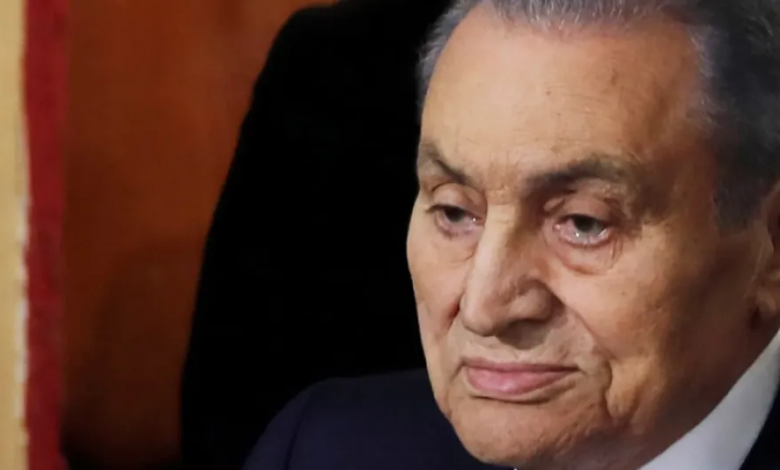

تمر الذكرى الخامسة عشرة لتنحي الرئيس المصري الأسبق محمد حسني مبارك عن السلطة، وهو الحدث الذي شكل نقطة تحول مفصلية في تاريخ مصر الحديث والمنطقة العربية بأسرها. في الحادي عشر من فبراير عام 2011، أعلن اللواء عمر سليمان، نائب الرئيس آنذاك، تخلي مبارك عن منصبه وتكليف المجلس الأعلى للقوات المسلحة بإدارة شؤون البلاد، مسدلاً الستار على حقبة استمرت لثلاثة عقود، ومفتتحاً فصلاً جديداً مليئاً بالتحديات والتحولات السياسية.
لفهم طبيعة الإرث الذي تركه مبارك، يجب العودة إلى السياق التاريخي لصعوده إلى السلطة. تولى مبارك الحكم في أكتوبر 1981 خلفاً للرئيس أنور السادات عقب اغتياله، قادماً من خلفية عسكرية كقائد للقوات الجوية وأحد أبطال حرب أكتوبر 1973. طوال فترة حكمه، تبنى مبارك استراتيجية الحفاظ على الاستقرار وتجنب الصدمات السياسية الكبرى، وهو ما جعل نظامه يتسم بالجمود السياسي في سنواته الأخيرة، مع الاعتماد المستمر على قانون الطوارئ الذي كان مبرراً بمحاربة الإرهاب والحفاظ على الأمن القومي.
على الصعيد الاقتصادي، ترك مبارك إرثاً متبايناً ومثيراً للجدل. شهدت حقبته تحولات من الاقتصاد الموجه نحو اقتصاد السوق، خاصة في التسعينيات والعقد الأول من الألفية الجديدة، حيث تم تنفيذ برامج الخصخصة والإصلاح الاقتصادي. ورغم أن هذه السياسات أدت إلى ارتفاع معدلات النمو وزيادة الاحتياطي النقدي، إلا أنها تزامنت مع اتساع الفجوة بين الطبقات الاجتماعية، وتراجع الخدمات العامة، وزيادة معدلات البطالة بين الشباب، وهي العوامل التي كانت وقوداً رئيسياً لثورة 25 يناير.
أما على المستوى الإقليمي والدولي، فقد نجح مبارك في إعادة مصر إلى الصف العربي بعد المقاطعة التي تلت اتفاقية كامب ديفيد، وحافظ على علاقات استراتيجية متينة مع الولايات المتحدة الأمريكية ودول الخليج العربي. عُرف عهده بالدور المحوري في ملف الصراع العربي الإسرائيلي، حيث لعبت مصر دور الوسيط الدائم. ومع ذلك، يرى محللون أن هذا الدور تراجع نسبياً في السنوات الأخيرة من حكمه لصالح قوى إقليمية أخرى صاعدة.
اليوم، وبعد رحيل مبارك عن عالمنا في فبراير 2020، لا يزال الجدل دائراً حول تقييم فترته. فبينما ينظر إليه البعض بعين الحنين إلى "زمن الاستقرار" والأمن مقارنة بالاضطرابات التي تلت 2011، يرى آخرون أن جذور المشكلات الهيكلية التي تعاني منها مصر حالياً في البنية التحتية والتعليم والصحة تعود إلى سياسات الترحيل والتسكين التي اتبعها نظامه لعقود طويلة دون حلول جذرية.