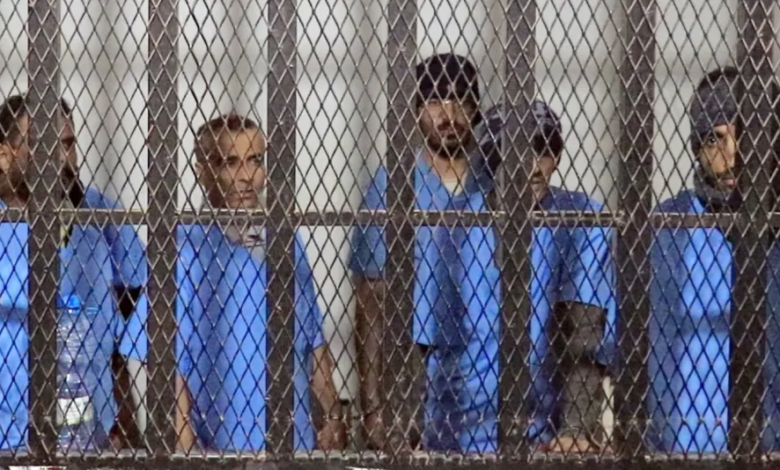

The Yemeni capital, Sana'a, has witnessed a new and alarming escalation in security measures, with the Houthi group launching a wave of sudden arrests targeting at least 10 employees working for UN agencies and international humanitarian organizations. This move further complicates the already dire humanitarian and political situation in Yemen, which is suffering from one of the world's worst humanitarian crises.
Details of the arrest campaign in Sana'a
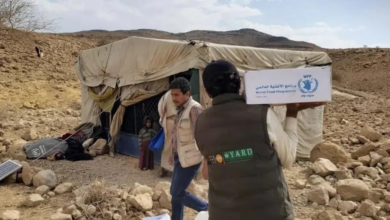
Informed sources and human rights reports indicate that Houthi security and intelligence personnel conducted simultaneous raids on the homes and offices of several UN staff members in Sana'a. Those arrested included Yemeni employees of the Office of the United Nations High Commissioner for Human Rights, the World Food Programme, and other international organizations. The detainees were taken to undisclosed locations, raising serious concerns about their safety and the conditions of their detention. No clear or publicly announced charges have been filed, sparking panic among aid workers.
Context of restrictions on humanitarian work
This incident is not unprecedented in the history of dealings with international organizations in Houthi-controlled areas. These arrests are part of a series of measures and restrictions imposed by the group on the work of aid agencies. For years, humanitarian workers have faced numerous challenges, ranging from bureaucratic hurdles and visa denials to media smear campaigns accusing international organizations of working for foreign agendas or engaging in espionage. Former employees of the US Embassy in Sana'a and other UN staff have previously been detained for extended periods, indicating a consistent pattern in dealing with the international presence in Sana'a.
Serious repercussions on the humanitarian situation
Observers warn that the continuation of these practices could have dire consequences for millions of Yemenis who are entirely dependent on foreign aid. Yemen, ravaged by war since 2014, is in a catastrophic situation where more than two-thirds of the population requires some form of humanitarian assistance and protection. Targeting UN personnel not only threatens their safety but also disrupts logistical operations and the distribution of food and medicine. It could force international organizations to suspend or reduce their operations in northern areas to ensure the safety of their staff, a price that will ultimately be paid by ordinary Yemenis.
The international situation and the future of the peace process
Internationally, these arrests are expected to draw widespread condemnation from the United Nations and the Security Council, with calls for the immediate and unconditional release of those detained. Political analysts believe this escalation could cast a dark shadow over the UN envoy's efforts to revive the peace process and solidify the fragile truce. Building trust is the cornerstone of any future negotiations, and such arbitrary measures undermine confidence and further isolate Sana'a internationally, complicating the diplomatic path to ending the bloody conflict in Yemen.