The Houthi defense minister's reappearance after a four-month absence: implications and timing

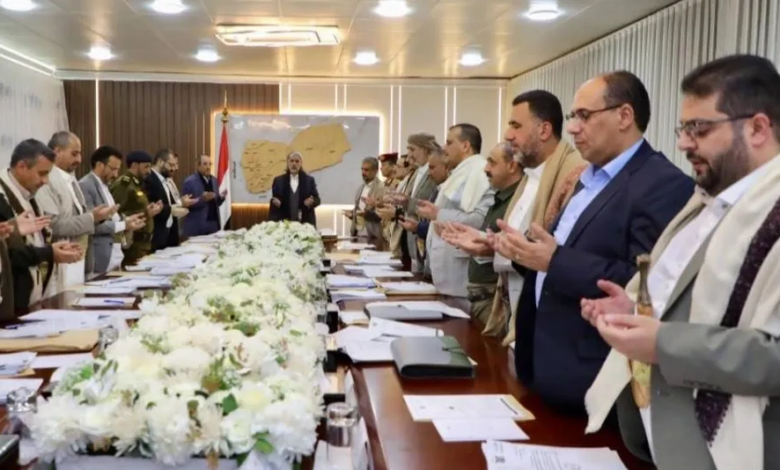
After an absence of nearly four months, during which much speculation and rumors circulated, the Houthi defense minister, Major General Mohammed Nasser al-Atifi, has reappeared in public. This reappearance comes at a highly sensitive time for the Yemeni and regional scene, raising numerous questions about the political and military messages the group seeks to convey through this carefully calculated media move.
Context of the appearance and refuting the rumors
The disappearance of prominent military leaders in conflict zones has always been fertile ground for rumors, and al-Atifi's absence was no exception. Over the past few months, media outlets and observers have circulated numerous scenarios regarding his fate, ranging from the possibility of him being injured in airstrikes to internal disputes that led to his marginalization. However, his recent appearance, inspecting military units and delivering fiery statements—as is typical of the group's speeches—has refuted these narratives and confirmed the continued cohesion of the group's military leadership structure in Sana'a.
The historical background of the conflict and the influence of military leaders
To understand the significance of this event, one must return to the roots of the complex Yemeni landscape. Since the Houthi group seized control of the capital, Sana'a, in September 2014, and the Arab Coalition launched its operations in March 2015, military leaders who defected from the former Yemeni army and pledged allegiance to the group have played a pivotal role in managing the battles. The position of Minister of Defense in the Houthi government (which is not internationally recognized) is crucial for managing field operations and directing morale-boosting messages to the fighters. This emergence comes amidst a state of neither war nor peace, where conditions fluctuate between relative calm on the internal fronts and a dangerous escalation in the Red Sea and the Bab al-Mandab Strait.
Regional and international dimensions
The return of the Houthi defense minister to the spotlight cannot be separated from the tense regional context. With Houthi attacks on international shipping lanes in the Red Sea continuing—attacks the group justifies as support for the Gaza Strip—the appearance of its highest-ranking military official serves as a defiant message to international powers, particularly the United States and Britain. This appearance aims to underscore the group's combat readiness and its ability to sustain its military operations despite international pressure and recent airstrikes targeting its positions.
The future of peace efforts in light of the escalation
This event also casts a shadow over the faltering peace process in Yemen. While the United Nations and its envoy are working tirelessly to solidify the ceasefire and move towards comprehensive political negotiations, the intensified military presence of hardline leaders is often interpreted as a negative signal that could hinder confidence-building efforts. This show of military force at this juncture could be seen as a prelude to a new round of escalation, presenting the international community with additional challenges in dealing with the complex Yemeni situation and underscoring that the road to stability remains long and fraught with peril.