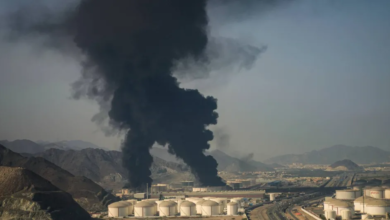

Introduction to tensions in the Red Sea
The political and security landscape in the Middle East is witnessing rapid developments, with the Houthis clearly aligning with Iranian statements threatening to use the Red Sea as a strategic pressure tactic. This noticeable coordination is raising widespread international and regional concern given the vital importance of this waterway for global trade and energy supplies.
General context and historical background of the event
To understand the dimensions of this alignment, one must consider the historical background of the conflict in Yemen and the close relationship between the Houthi movement and Tehran. Since the outbreak of the Yemeni conflict, Iran has emerged as a key supporter of the Houthis, both politically and militarily, within what is known as the "Axis of Resistance." The Red Sea, and specifically the Bab el-Mandeb Strait, is one of the world's most important waterways, connecting the Indian Ocean and the Mediterranean Sea via the Suez Canal. Historically, various regional and international powers have sought to ensure the security of this strait, but its transformation into an arena for settling political scores represents a dangerous shift in the regional rules of engagement.
Houthi-Iranian coordination and escalating threats
Recent Iranian statements hinting at the possibility of closing or disrupting navigation in the Red Sea did not emerge in a vacuum. They coincided directly with similar moves and threats by the Houthi group in Yemen. This alignment reflects a shared strategy aimed at exerting pressure on the international community, particularly given the escalating geopolitical tensions in the Middle East. Using the Red Sea as leverage represents a significant escalation, shifting the conflict from its local and regional boundaries to a direct threat to international interests and freedom of navigation.
The importance of the event and its expected impact
Local and regional impact
This escalation complicates peace efforts in Yemen and presents neighboring countries with unprecedented security challenges. Furthermore, any disruption to maritime navigation directly impacts revenues from Egypt's Suez Canal, placing additional economic pressure on countries in the region and exacerbating regional instability.
International and economic impact
Approximately 12% of global trade, and a significant portion of oil and gas supplies, passes through the Red Sea. Houthi and Iranian threats are forcing major shipping companies to reroute around the Cape of Good Hope, increasing shipping costs and driving up global commodity and energy prices. This situation has prompted international powers to form maritime coalitions to ensure freedom of navigation and protect commercial vessels from potential attacks.
Future implications
In conclusion, the Houthi-Iranian alliance's threat to Red Sea security presents a complex challenge requiring a coordinated international response. The continued use of international waterways as tools for political and military pressure portends dire economic and security repercussions that could affect the entire world, making it imperative for the international community to intensify diplomatic and security efforts to ensure the stability of this vital region and prevent its descent into wider conflicts.