
موقف جماعة الحوثي من التصعيد الإقليمي
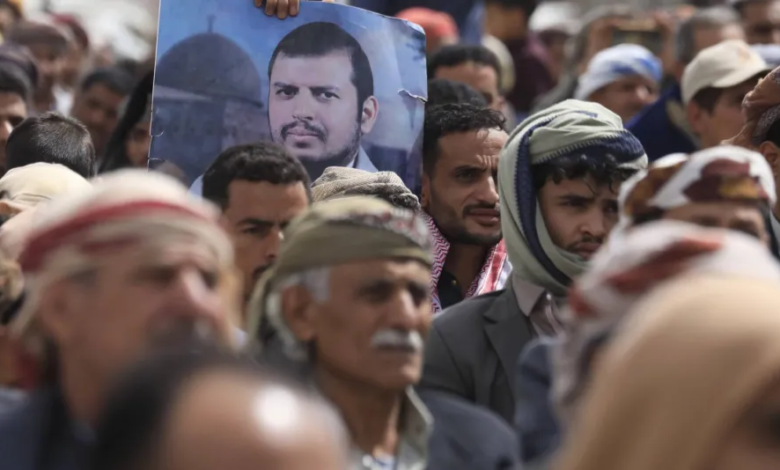
في ظل التوترات المتصاعدة التي تشهدها منطقة الشرق الأوسط، أعلنت جماعة الحوثي في اليمن عن موقفها الاستراتيجي بشأن إمكانية التدخل العسكري المباشر إلى جانب طهران، مؤكدة أن هذا التدخل يبقى مرهوناً بـ «تطورات المعركة» ومسار الأحداث على الأرض. يعكس هذا التصريح استراتيجية حذرة تتبناها الجماعة، حيث تسعى إلى موازنة التزاماتها ضمن ما يُعرف بـ «محور المقاومة» مع حساباتها الداخلية والإقليمية المعقدة في ظل التهديدات المتبادلة بين إيران وإسرائيل والولايات المتحدة.
السياق العام والخلفية التاريخية للتحالف
ترتبط جماعة الحوثي (أنصار الله) بعلاقات وثيقة وتاريخية مع الجمهورية الإسلامية في إيران، والتي تعززت بشكل ملحوظ منذ سيطرة الجماعة على العاصمة اليمنية صنعاء في أواخر عام 2014. وتُعد الجماعة جزءاً أساسياً من التحالف الإقليمي الذي تقوده طهران، والذي يضم فصائل مسلحة في العراق وسوريا، بالإضافة إلى حزب الله في لبنان وحركة حماس في قطاع غزة. خلال السنوات الماضية، تلقت الجماعة دعماً عسكرياً وسياسياً واسعاً، مما مكنها من تطوير ترسانتها العسكرية، بما في ذلك الطائرات المسيرة والصواريخ الباليستية التي استخدمتها في استهداف عمق الدول المجاورة، ومؤخراً في استهداف الملاحة الدولية في البحر الأحمر ومضيق باب المندب تضامناً مع قطاع غزة.
أهمية الحدث وتأثيره المتوقع
يحمل إعلان الحوثيين بربط تدخلهم العسكري بتطورات المعركة دلالات هامة وتأثيرات متعددة الأبعاد على مختلف الأصعدة:
التأثير المحلي في اليمن
على الصعيد المحلي، ينذر أي تصعيد عسكري جديد بتعقيد جهود السلام الهشة التي ترعاها الأمم المتحدة في اليمن. الانخراط في حرب إقليمية واسعة قد يؤدي إلى تجدد المعارك الداخلية وتفاقم الأزمة الإنسانية التي تُصنف كواحدة من أسوأ الأزمات في العالم، مما يزيد من معاناة ملايين اليمنيين الذين يعتمدون بشكل شبه كلي على المساعدات الإغاثية الدولية.
التداعيات الإقليمية
إقليمياً، يشكل هذا الموقف تهديداً مباشراً لأمن واستقرار منطقة الخليج العربي والشرق الأوسط ككل. إذا ما قررت الجماعة توسيع نطاق عملياتها العسكرية لدعم إيران في أي مواجهة محتملة، فإن ذلك قد يشعل جبهات متعددة في وقت واحد، مما يضع المنطقة بأسرها على حافة حرب شاملة لا يمكن التنبؤ بنتائجها الكارثية على البنية التحتية والاقتصاد الإقليمي.
التأثيرات الدولية والاقتصادية
دولياً، يثير هذا التطور قلقاً بالغاً لدى المجتمع الدولي، خاصة فيما يتعلق بأمن الملاحة البحرية. لقد أثبتت الهجمات الحوثية السابقة في البحر الأحمر قدرتها على تعطيل سلاسل الإمداد العالمية، مما دفع شركات الشحن الكبرى إلى تغيير مساراتها وتسبب في ارتفاع تكاليف التأمين والشحن. أي تدخل عسكري أوسع قد يؤدي إلى اضطرابات حادة في أسواق الطاقة العالمية وارتفاع أسعار النفط، ناهيك عن احتمالية استدعاء تدخلات عسكرية غربية إضافية لحماية الممرات المائية الاستراتيجية.
في الختام، يبقى المشهد الإقليمي مفتوحاً على كافة الاحتمالات، حيث تعتمد الخطوات المستقبلية لجماعة الحوثي على مدى اتساع رقعة الصراع الإقليمي والقرارات الاستراتيجية التي ستتخذها طهران وحلفاؤها في مواجهة التحديات الراهنة.