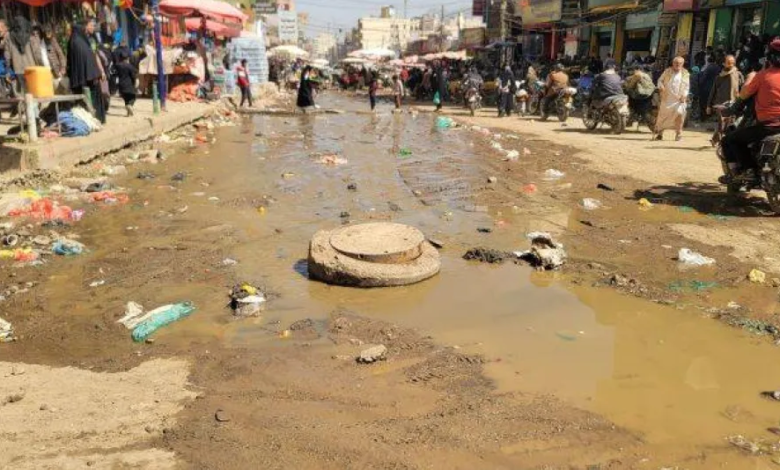

تتصاعد حالة السخط والقلق في العاصمة اليمنية صنعاء، الخاضعة لسيطرة جماعة الحوثي، جراء التدهور المستمر والمريع في مستوى الخدمات الأساسية والبنية التحتية، وهو ما بات يشكل تهديداً مباشراً وحقيقياً لحياة ملايين السكان. ويأتي هذا الوضع المأساوي نتيجة سنوات من الإهمال المتعمد وسوء الإدارة، حيث توقفت أعمال الصيانة الدورية للمرافق الحيوية، مما حول شوارع المدينة وأحيائها إلى مصائد موت محتملة، سواء عبر انهيار المباني المتهالكة أو انتشار الأوبئة أو مخاطر السيول الجارفة.
سياق الأزمة وتدهور الخدمات العامة
منذ سيطرة جماعة الحوثي على العاصمة صنعاء في سبتمبر 2014، شهدت مؤسسات الدولة تراجعاً حاداً في أدائها، وتوقفت الميزانيات التشغيلية المخصصة لصيانة الطرق، وشبكات الصرف الصحي، وتصريف مياه الأمطار. وبدلاً من توجيه الإيرادات الكبيرة التي يتم تحصيلها من الضرائب والجمارك والرسوم المختلفة لخدمة المواطنين، تشير التقارير الاقتصادية والحقوقية إلى توجيه هذه الموارد لدعم المجهود الحربي للجماعة، مما ترك البنية التحتية للمدينة عرضة للانهيار التام.
وتشير الحقائق الموثقة إلى أن صنعاء القديمة، المصنفة ضمن قائمة التراث العالمي لليونسكو، تعاني بشكل خاص من هذا الإهمال، حيث تضررت مئات المنازل التاريخية وانهار بعضها فوق رؤوس ساكنيها خلال مواسم الأمطار الماضية، دون أي تدخل جاد من سلطات الأمر الواقع لترميمها أو حمايتها، مما يعكس حجم اللامبالاة بالتراث الإنساني وبأرواح المدنيين.
مخاطر صحية وبيئية كارثية
لا يقتصر التهديد على المباني والطرقات فحسب، بل يمتد ليشمل كارثة بيئية وصحية وشيكة. فمع تكدس النفايات في الشوارع وتعطل محطات معالجة الصرف الصحي نتيجة نقص الوقود والصيانة، أصبحت صنعاء بيئة خصبة لانتشار الأمراض والأوبئة مثل الكوليرا وحمى الضنك. هذا الوضع الصحي المتدهور يتزامن مع انهيار شبه كامل للمنظومة الصحية، مما يجعل السكان عاجزون عن مواجهة أي تفشٍ جديد للأمراض، في ظل غياب الأدوية والمستلزمات الطبية الضرورية.
التداعيات الإنسانية والموقف الدولي
يؤكد المراقبون للشأن اليمني أن استمرار هذا النهج من الإهمال يفاقم من حدة الأزمة الإنسانية التي تصفها الأمم المتحدة بأنها الأسوأ في العالم. إن ترك البنية التحتية تتآكل دون حلول جذرية لا يهدد فقط الاستقرار الاجتماعي في العاصمة، بل يعيق أي جهود مستقبلية للتعافي الاقتصادي وإعادة الإعمار. وتدعو المنظمات الدولية والمحلية بشكل مستمر إلى ضرورة تحييد الخدمات الأساسية عن الصراع، وضمان توجيه الموارد لإنقاذ ما يمكن إنقاذه من مقومات الحياة في صنعاء، لحماية المدنيين الذين يدفعون الثمن الأبهظ لهذا الصراع المستمر.