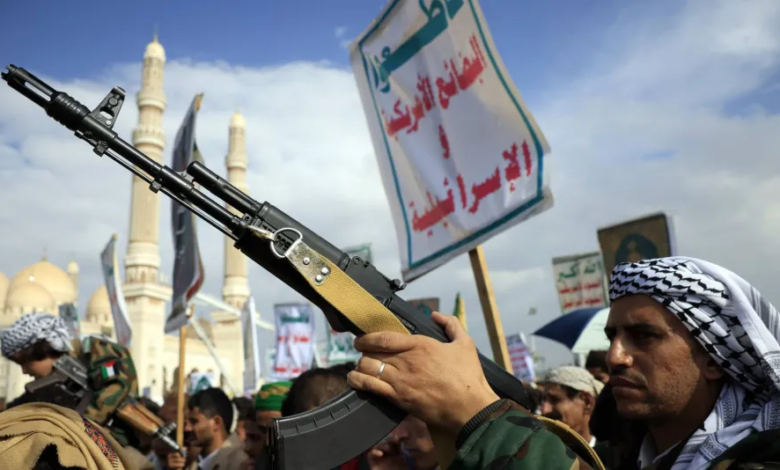

The Houthi militia leadership in the Yemeni capital, Sana'a, is living in a state of extreme anticipation and anxiety, bordering on panic, as popular protests continue and escalate in Iran. Informed sources reveal that this anxiety stems not only from fear for the fate of their main ally and supporter in Tehran, but also from genuine concerns that the protests could spread to the Yemeni street, which is seething under the weight of economic crises and repression.
Organic relationship and domino effect
To understand the reasons for this panic, one must consider the broader context of the relationship between the Houthis and the Iranian regime. Since the group seized control of Sana'a, the political, military, and ideological ties between the two have deepened, with Tehran considered the militia's primary logistical and political backer. Observers believe that any instability within the Iranian regime will directly and automatically impact the Houthis' influence and power in Yemen, whether through a decline in financial and military support or a erosion of the media image the "axis of resistance" attempts to cultivate in the region.
Security measures and concerns from the Yemeni street
On the ground in Sana'a, reports indicate that the militia has begun taking unannounced precautionary measures, including tightening security and increasing intelligence presence in residential neighborhoods and public gatherings. Houthi leaders fear that scenes emerging from Iranian cities could inspire Yemenis, especially given the similarities in terms of repression, restrictions on freedoms, and deteriorating economic conditions. The popular discontent in Houthi-controlled areas, stemming from years of unpaid salaries, exorbitant taxes, and the decline in public services, makes Sana'a fertile ground for an uprising similar to those in Iran.
Regional and international dimensions of the event
From a regional perspective, this Houthi disarray carries significant implications. The Iranian regime's preoccupation with its internal crises may lead it to reduce its involvement in regional affairs, thus placing the Houthis in a more isolated and vulnerable position in the face of international and regional pressure to end the conflict in Yemen. Furthermore, the international community is closely monitoring how a weakening of the central government in Tehran will affect its proxies in the region. Some analysts believe that a weakened Iranian regime could present a golden opportunity for Yemenis to regain the political initiative and push for a just peace that ends the coup.
In conclusion, what is happening in the corridors of Sana'a cannot be separated from what is happening in the streets of Tehran; the shared destiny that the militia has linked to the Iranian regime has made it pay the price of this alliance with existential anxiety, amid questions about its ability to withstand the demands of the Yemeni interior if it loses its external support.