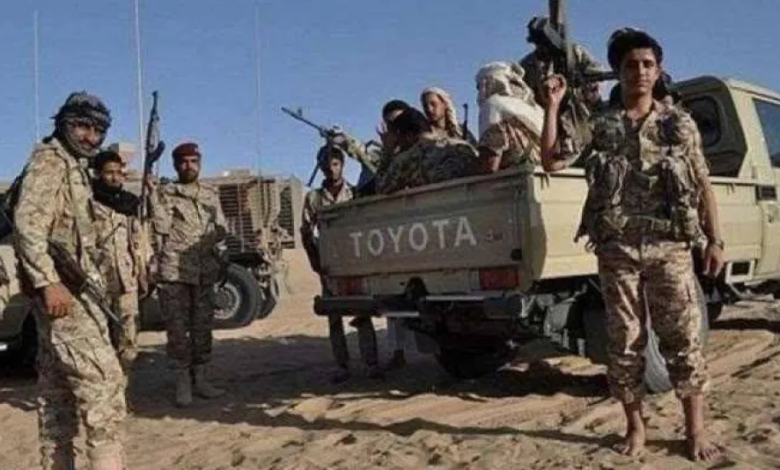
The Yemeni arena is witnessing significant developments on the ground that foreshadow shifts in the internal balance of power. Clashes and tensions between the Houthi group and Yemeni tribes have intensified, spreading from Al Mahwit Governorate in the north and reaching as far south as Al Bayda Governorate in the center of the country. This escalation comes at a time when the group is attempting to tighten its security grip, generating angry tribal reactions that reject policies of subjugation and marginalization.
Tensions in Al Mahwit: Rejection of the status quo
in Al Mahwit Governorate, which had long remained outside the direct armed conflict, has begun to show strong signs of tribal discontent with Houthi practices. Local sources indicate that the tension stems from the group's attempts to impose exorbitant financial levies, interfere in tribal customs, and carry out forced recruitment campaigns targeting tribesmen. This continuous pressure has pushed tribal leaders to adopt a more assertive stance, leading to skirmishes and clashes that reflect the simmering popular discontent in the governorate.
Al-Bayda: The stronghold of resistance is renewed.
In parallel with the events in Al-Mahwit, Al-Bayda Governorate has returned to the forefront of the scene. Historically, this governorate has been a thorn in the side of Houthi expansion. The tribes of Al-Bayda are characterized by their cohesive military and social structure, and they have waged fierce battles against the group throughout the past years. The renewed clashes in Al-Bayda carry serious strategic implications for the Houthis, given the governorate's central location in Yemen, linking the north and south. This makes any uprising there a direct threat to the group's supply lines and its control over neighboring areas.
The general context and the erosion of alliances:
Observers of Yemeni affairs indicate that the widening circle of clashes, from Al-Mahwit to Al-Bayda, reflects a rift in the relationship between the Houthis and the tribes, which constitute the most important social component in Yemen. After years of war, it appears that the group's "iron fist" strategy is beginning to wear down the patience of the tribes, who view the practices of the Houthi supervisors as a violation of their sovereignty and dignity. This shift may lay the groundwork for a new phase of internal resistance that does not rely solely on traditional military fronts, but rather stems from the social base itself.
The anticipated repercussions
of the continued and escalating clashes could weaken the Houthis' negotiating position regionally and internationally, as it demonstrates their inability to maintain security in the areas they supposedly control. Furthermore, the involvement of new tribes in the fighting could encourage other regions experiencing simmering discontent to mobilize, threatening to fracture the group's internal front and opening the door to multiple scenarios for the future of the conflict in Yemen.