The Houthis are imposing forced donations in the Sana'a countryside to support the front lines

Introduction: Houthis impose forced donations in rural Sana'a
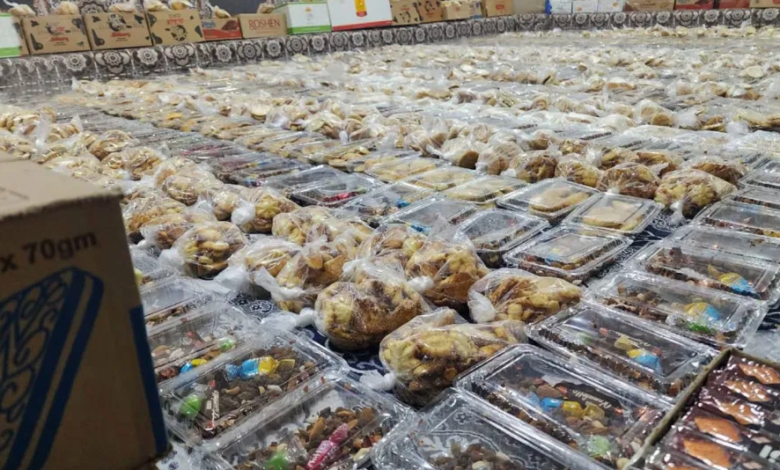
In a new escalation of the humanitarian and economic crises facing citizens in Houthi-controlled areas, local reports indicate that the Houthis are imposing forced donations on residents in the rural areas surrounding the Yemeni capital, Sana'a. This move comes as part of the group's ongoing efforts to finance its fighting fronts and support what it calls its "war effort." The militia relies on local supervisors and neighborhood leaders to enforce these levies, threatening those who refuse with the denial of basic services such as cooking gas or relief aid. This places citizens under immense psychological and financial pressure amidst dire living conditions.
General context and historical background of the event
Since the Houthi group seized control of the Yemeni capital, Sana'a, in late 2014, it has pursued an economic policy heavily reliant on continuous taxation. This taxation has not been limited to merchants and business owners, but has extended to ordinary citizens and farmers in villages and rural areas. Under various pretexts, such as "war effort" contributions and celebrations of religious and sectarian occasions, the savings of Yemenis have been depleted. These arbitrary measures coincide with the suspension of salaries for government employees in Houthi-controlled areas since late 2016, leading to a collapse in purchasing power and an unprecedented spread of poverty and famine in modern Yemeni history.
Local impact and exacerbation of human suffering
Locally, the imposition of donations in rural Sana'a represents a true catastrophe for families struggling daily to secure the most basic necessities. Many residents of these areas rely on small-scale farming or irregular day labor. Forcing them to contribute funds to support the military fronts means depriving their children of essential food and medicine. Moreover, these practices are creating a climate of social resentment and silent resistance, as citizens feel doubly punished: once by the war and its devastating economic consequences, and again by the direct financial extortion perpetrated by the de facto authorities.
Regional and international dimensions and their impact on the peace process
Regionally and internationally, these practices reflect the Houthi group's intransigence and its insistence on pursuing a military option instead of engaging seriously in the peace efforts led by the United Nations and the international community. The continued flow of funds through illegal levies prolongs the conflict in Yemen and complicates the UN envoy's mission to reach a comprehensive political settlement. These violations also highlight the need for human rights and international organizations to document these economic crimes, which amount to grave human rights violations, and to pressure the militia to stop exploiting civilians to finance its war machine.
a summary
In conclusion, the Houthis' continued imposition of forced donations and levies on residents of rural Sana'a and other areas constitutes a blatant violation of the economic and social rights of Yemeni citizens. This tragic situation demands decisive intervention from the international community to pressure the group to cease these arbitrary practices and to work diligently towards ending the war and establishing a comprehensive peace that guarantees Yemenis a life of dignity, free from extortion and systematic military exploitation.