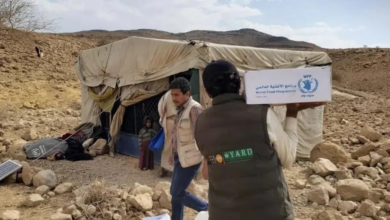

The Houthi militia has imposed a harsh and unjust siege on a village in Amran Governorate, north of the Yemeni capital, Sana'a, in retaliation for suffering a significant blow and encountering unexpected resistance from local tribesmen. This move comes amidst a series of ongoing violations perpetrated by the group to forcibly impose its control over the tribal population, which has begun to show clear discontent with its policies of repression and persecution.
Field sources indicate that the militia has established numerous checkpoints and is preventing food and medical supplies from entering the village, attempting to subdue the residents and break the tribal resistance that has thwarted Houthi attempts to infiltrate or impose new levies. This siege reflects the escalating tension between the group and the tribes, which previously represented a strategic human resource for them, but whose loyalties have shifted due to these arbitrary practices.
The strategic importance of Amran Governorate
The Amran Governorate holds immense strategic and military importance in Yemen, serving as the northern gateway to the capital, Sana'a. Historically, the fall of Amran city to the Houthis in July 2014 was a pivotal event that paved the way for the collapse of the state and their takeover of Sana'a in September of the same year. Amran has long been a major tribal center, home to the Hashid and Bakil tribes, which have played central roles in Yemen's political and republican history.
The return of tension to this province carries serious implications for the Houthis, as any organized tribal uprising in Amran could threaten their supply lines and undermine their central control over the capital. Therefore, the militia is responding with extreme sensitivity and excessive violence to any sign of dissent or resistance in these areas specifically, fearing that such resistance could spread to other tribes surrounding Sana'a.
The dynamics of the conflict and its impact on the Yemeni landscape
This incident reveals the fragility of the alliances the Houthis have forged with the tribes, alliances that have often relied on intimidation or the purchase of temporary loyalties. With deteriorating economic conditions and increased levies, the tribes have begun to feel the weight of the Houthi project, which seeks to dismantle the traditional tribal structure in favor of an alien sectarian one. The Houthis' resort to collective siege and collective punishment of villages constitutes a flagrant violation of international humanitarian law, a tactic repeatedly employed in areas such as Hajur, al-Bayda, and Taiz.
On the humanitarian front, this siege exacerbates the suffering of civilians amidst the world's worst humanitarian crisis in Yemen. Politically, the continuation of these clashes could signal the beginning of a new phase of internal conflict within Houthi-controlled areas, potentially altering the military balance if these tribes receive genuine support. This makes monitoring the situation in Amran crucial for understanding the future of the conflict in Yemen.