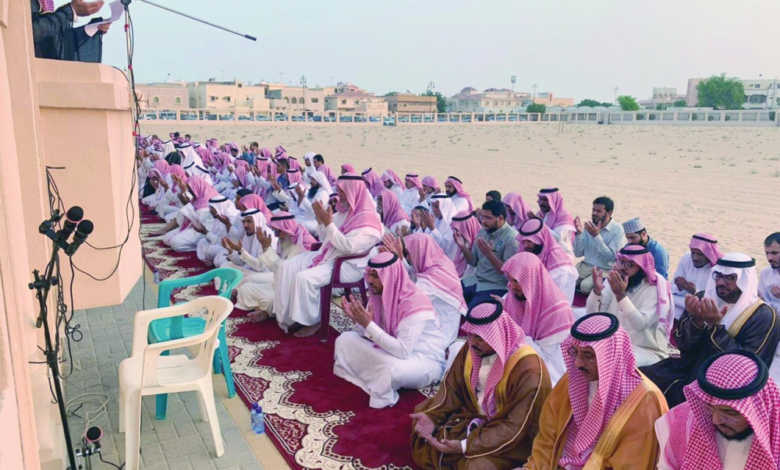

أصدر خادم الحرمين الشريفين الملك سلمان بن عبدالعزيز آل سعود -حفظه الله ورعاه- دعوة كريمة لإقامة صلاة الاستسقاء في جميع أنحاء المملكة العربية السعودية يوم غدٍ الخميس، تأسياً بسنة النبي محمد صلى الله عليه وسلم عند تأخر نزول المطر. وتأتي هذه الدعوة في إطار الحرص الدائم للقيادة الرشيدة على إحياء الشعائر الدينية واللجوء إلى الله تعالى في السراء والضراء.
أهمية صلاة الاستسقاء والسياق الشرعي
تُعد صلاة الاستسقاء سنة مؤكدة عن النبي صلى الله عليه وسلم، يؤديها المسلمون طلباً للسقيا من الله عز وجل عند الجدب وتأخر المطر. وهي تعبير عن الافتقار إلى الله، وإظهار العجز والحاجة لرحمته. وقد دأبت المملكة العربية السعودية منذ تأسيسها على إقامة هذه الشعيرة بانتظام، مما يعكس الهوية الإسلامية للدولة وارتباطها الوثيق بالقيم الشرعية. ولا تقتصر أهمية هذه الصلاة على الجانب التعبدي فحسب، بل تعزز التلاحم الاجتماعي وتوحد القلوب في التضرع إلى الخالق.
كيفية أداء صلاة الاستسقاء
تتشابه صفة صلاة الاستسقاء مع صلاة العيد في عدد الركعات والتكبيرات، وتؤدى جماعة في المصليات والمساجد، وتكون صفتها كالتالي:
- الركعة الأولى: يُكبر الإمام تكبيرة الإحرام، ثم يتبعها بسبع تكبيرات، ثم يقرأ سورة الفاتحة وما تيسر من القرآن (ويُسن قراءة سورة الأعلى).
- الركعة الثانية: يقوم للركعة الثانية ويُكبر خمس تكبيرات غير تكبيرة الانتقال، ثم يقرأ الفاتحة وما تيسر (ويُسن قراءة سورة الغاشية)، ثم يكمل الصلاة بالتسليم.
خطبة الاستسقاء والدعاء المستحب
عقب الانتهاء من الصلاة، يخطب الإمام في الناس خطبة بليغة، يركز فيها على أهمية التوبة والاستغفار، والتحذير من المعاصي والمظالم وأكل أموال الناس بالباطل، باعتبارها من أسباب منع القطر. ويحث المصلين على الإكثار من الصدقات وفعل الخيرات.
وفي ختام الخطبة، يرفع الإمام والمصلون أيديهم بالدعاء بإلحاح، ومن الأدعية المأثورة: "اللهم أغثنا، اللهم أغثنا، اللهم أغثنا"، و"اللهم اسقنا غيثاً مغيثاً هنيئاً مريئاً غدقاً مجللاً، سحاً طبقاً عاماً نافعاً غير ضار". كما يُسن في هذه اللحظات "قلب الرداء"، حيث يحول الإمام والمصلون أرديتهم (أو الشماغ/البشت) بجعل اليمين على اليسار والعكس، تفاؤلاً بتحول الحال من الجدب إلى الخصب، ومن الشدة إلى الرخاء، اقتداءً بفعل النبي صلى الله عليه وسلم.
أحكام عامة للمسافرين والنساء
أوضح الفقهاء أن صلاة الاستسقاء مشروعة للجميع، بما في ذلك أهل البادية والمسافرين إذا دعت الحاجة لذلك. أما بالنسبة للنساء، فيجوز لهن الخروج لأداء الصلاة مع جماعة المسلمين، مع مراعاة الضوابط الشرعية بعدم التبرج أو التطيب، وتكون صفوفهن خلف صفوف الرجال، وكلما كانت الصفوف متأخرة كان ذلك أفضل لهن.
ومن فاتته صلاة الجماعة، أجاز له العلماء أن يصليها منفرداً بنفس الكيفية، ويسأل الله حاجته، فالهدف الأسمى هو التذلل لله وطلب الرحمة بنزول الغيث الذي يحيي به الله الأرض بعد موتها.