
مقدمة عن التصعيد الحوثي في محافظة البيضاء
تشهد محافظة البيضاء وسط اليمن تصعيداً عسكرياً وأمنياً خطيراً من قبل ميليشيا الحوثي، وذلك في أعقاب تعرض قواتها لكمين مسلح نفذه مسلحون قبليون. وقد أسفر هذا التوتر عن إطلاق الميليشيات لحملة اعتقالات واسعة طالت العشرات من أبناء القبائل والمدنيين العزل في المنطقة، مما ينذر بتدهور خطير في الأوضاع الإنسانية والأمنية ويزيد من تعقيد المشهد اليمني.
الخلفية التاريخية والأهمية الاستراتيجية لمحافظة البيضاء
تتمتع محافظة البيضاء بموقع استراتيجي حساس، حيث تتوسط خريطة اليمن وتربط بين المحافظات الشمالية والجنوبية، مما يجعلها نقطة ارتكاز حيوية في الصراع اليمني المستمر منذ أواخر عام 2014. تاريخياً، عُرفت قبائل البيضاء بشراستها ورفضها القاطع للخضوع لسيطرة الميليشيات، حيث قادت مقاومة مسلحة عنيفة ضد التمدد الحوثي. وعلى مدار السنوات الماضية، شهدت مديريات المحافظة، مثل رداع والزاهر وقيفة، معارك طاحنة وكمائن مستمرة استهدفت تعزيزات الحوثيين، مما جعل المحافظة بؤرة استنزاف مستمرة لقواتهم.
تفاصيل حملة الاعتقالات والانتهاكات المستمرة
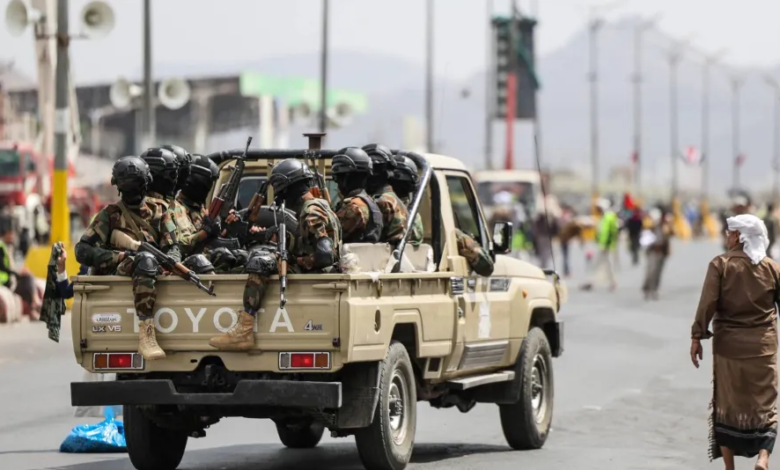
عقب الكمين القبلي الأخير الذي استهدف دوريات تابعة للحوثيين وأسفر عن خسائر في صفوفهم، سارعت الميليشيا إلى استقدام تعزيزات عسكرية ضخمة تضم آليات ومدرعات ثقيلة. وفرضت طوقاً أمنياً وحصاراً خانقاً على القرى والمناطق التي يُعتقد أن المهاجمين ينتمون إليها. وترافقت هذه الإجراءات مع حملات مداهمة للمنازل وترويع للنساء والأطفال، واختطاف العشرات من الوجاهات القبلية والشباب واقتيادهم إلى سجون سرية. وتعتمد ميليشيا الحوثي في مثل هذه الحالات على سياسة العقاب الجماعي، والتي تشمل أحياناً تفجير منازل المعارضين، وهي استراتيجية ممنهجة تهدف إلى كسر شوكة القبائل وإخضاعها بالقوة.
التأثير المحلي والإنساني للتصعيد
على الصعيد المحلي، يترك هذا التصعيد آثاراً كارثية على حياة المدنيين. فالحصار المفروض يعيق حركة تنقل المواطنين ويمنع وصول المواد الغذائية والطبية الأساسية إلى القرى المتضررة. كما أن حملات الاعتقال التعسفي تزيد من معاناة الأسر التي تفقد معيلها، وتدفع المئات من السكان إلى النزوح القسري نحو مناطق أكثر أمناً، مما يفاقم من أزمة النازحين في اليمن التي تعد واحدة من أسوأ الأزمات الإنسانية في العالم وفقاً لتقارير الأمم المتحدة.
التداعيات الإقليمية والدولية ومسار السلام
إقليمياً ودولياً، يمثل التصعيد الحوثي في البيضاء واستمرار الانتهاكات ضد القبائل والمدنيين ضربة للجهود الأممية والدولية الرامية إلى إحلال السلام في اليمن. وتؤكد الحكومة اليمنية المعترف بها دولياً والمنظمات الحقوقية أن هذه الممارسات تتنافى مع القوانين الدولية لحقوق الإنسان وتعد انتهاكات صارخة توجب المساءلة. كما أن استمرار التوتر في البيضاء يرسل إشارات سلبية حول مدى جدية الميليشيات في الانخراط في عملية سياسية شاملة، مما يعقد من مهمة المبعوث الأممي ويزيد من حالة عدم الاستقرار في المنطقة بأسرها.
خلاصة
في الختام، يجسد التصعيد الحوثي الأخير في محافظة البيضاء وحملات الاعتقال التي أعقبت الكمين القبلي، استمراراً لنهج القوة والعقاب الجماعي الذي تنتهجه الميليشيا ضد الأصوات الرافضة لمشروعها. ورغم قسوة الإجراءات والانتهاكات المستمرة، تظل المقاومة القبلية في البيضاء عقبة كأداء أمام محاولات فرض السيطرة المطلقة، مما يبقي المحافظة في واجهة المشهد العسكري والسياسي اليمني المفتوح على كافة الاحتمالات.