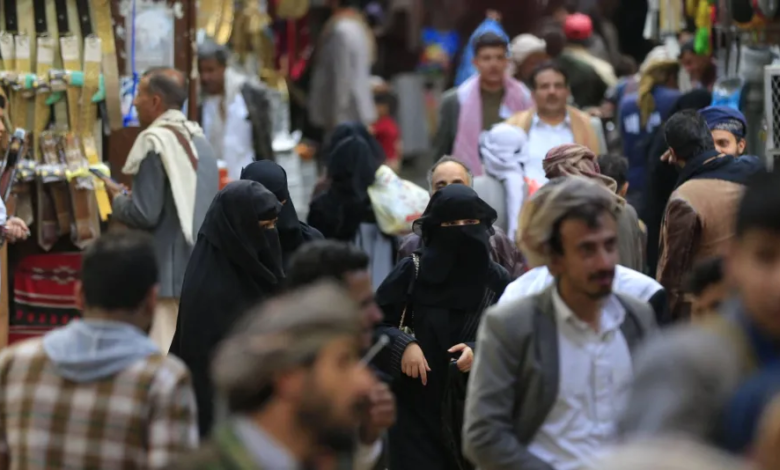

Introduction to the spread of fireworks in Sana'a
The Yemeni capital, Sana'a, and areas under Houthi control are witnessing a disturbing phenomenon: the flooding of local markets with enormous quantities of dangerous fireworks and terrifyingly loud firecrackers. This phenomenon is spearheaded by merchants affiliated with the Houthi group, who import and smuggle these explosive materials and sell them in the streets and public markets without any oversight or regard for public safety standards. This phenomenon typically coincides with religious holidays and celebrations, turning children's joy into a nightmare that threatens their lives and safety.
General context and historical background of the event
Since the outbreak of the conflict in Yemen and the Houthi takeover of the capital, Sana'a, in late 2014, a so-called "war economy" has emerged. In this context, a new class of merchants has risen to power, monopolizing the import of goods, including prohibited and dangerous materials such as firecrackers and highly explosive fireworks. Historically, Yemeni law has prohibited the import and sale of dangerous fireworks, but the absence of effective state regulatory bodies and the weakness of consumer protection agencies in Houthi-controlled areas have allowed this illicit trade to flourish. Complex smuggling routes are used to bring these shipments into the country through land and sea ports, reflecting a significant breakdown in the security and customs systems.
The importance of the event and its expected impact (locally and regionally)
Local impact: disastrous health and psychological risks
Locally, these dangerous fireworks are having a devastating impact on Yemeni society. Medically, hospitals and burn centers in Sana'a are receiving dozens of cases of children and young people with severe injuries, including amputations, vision loss, and advanced-degree burns, caused by these firecrackers, which are as powerful as stun grenades. Furthermore, the deafening noise of these fireworks inflicts significant psychological harm on citizens, especially children, women, and the elderly, who already suffer from post-traumatic stress disorder as a result of years of war and exposure to real explosions. These firecrackers also cause fires in homes and shops, further exacerbating material losses.
Economic and security repercussions
Economically, the fireworks trade is draining billions of riyals from the pockets of citizens at a time when millions of Yemenis are suffering from a dire humanitarian crisis, persistent salary cuts, and a sharp decline in purchasing power. Directing such vast sums toward dangerous consumer goods reflects a blatant exploitation of people's need for recreation. From a security and regional perspective, the continued influx of these explosive materials highlights the activity of smuggling networks that may not be limited to fireworks but extend to other substances that threaten the stability of the region, raising growing concerns about the security of ports and borders.
Summary and a call for community awareness
As war profiteers continue to flood Sana'a with these dangerous types of fireworks, the greatest hope lies in public awareness. Parents must closely monitor their children and prevent them from purchasing these deadly materials. A concerted community effort is also needed to raise awareness about the dangers of fireworks and to pressure for a halt to this trade, which profits from the lives of children and exacerbates the suffering of Yemenis already enduring exceptionally harsh circumstances.