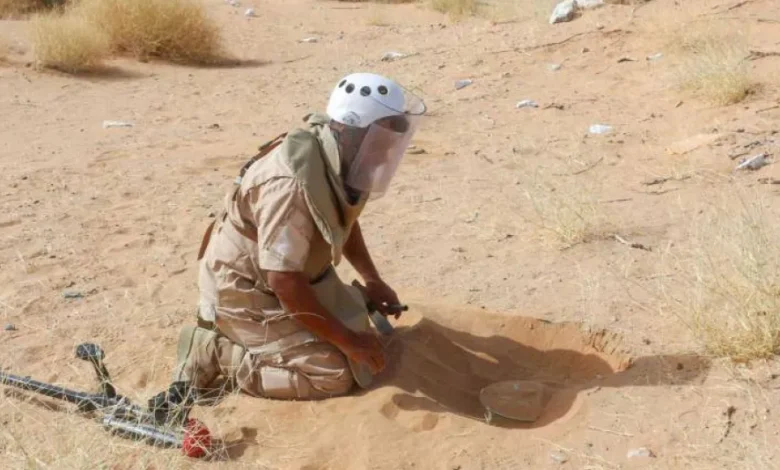

The Yemeni province of Hodeidah is experiencing a silent and ongoing humanitarian tragedy, as vast areas of its land have been transformed into death traps by landmines planted by the Houthi group. These mines now besiege the lives of civilians and restrict their daily movements. The danger is no longer confined to areas of military engagement; it has spread to farms, public roads, grazing lands, and even the entrances to villages and homes, making it virtually impossible for local residents to lead normal lives.
General context and historical background of the conflict in Hodeidah
Hodeidah Governorate holds paramount strategic importance as it houses the main port, a vital lifeline for Yemen, through which the majority of humanitarian aid, commercial imports, and food supplies pass. Since the outbreak of the conflict in Yemen, Hodeidah has been a flashpoint. Amid this conflict, the Houthi group has resorted to planting landmines and improvised explosive devices (IEDs) on an unprecedented scale as a military tactic to impede the advance of opposing forces. However, the greatest victims of this strategy have been, and continue to be, innocent civilians. Human rights and international reports indicate that the density of landmines on Yemen's western coast is among the highest in the world, posing a formidable challenge to peace and reconstruction efforts.
Human and economic impact on the population
These landmines have caused thousands of casualties, both dead and wounded, a large proportion of whom are women and children. They have also caused permanent disabilities and amputations for many, exacerbating the economic and social burdens on families already suffering from extreme poverty. In addition to the direct human cost, the landmines have paralyzed the economy in many districts of Hodeidah. Farmers have abandoned their lands for fear of explosions, and fishermen face difficulties reaching the coast, severely impacting the primary sources of livelihood for the population.
International dimensions and violation of laws
Internationally, the indiscriminate laying of landmines, particularly anti-personnel and camouflage mines disguised as rocks and tree trunks, is a flagrant violation of international humanitarian law and the Ottawa Convention on the Prohibition of Landmines. Numerous international organizations, including the United Nations and the Security Council, have condemned these practices, which impede the delivery of humanitarian aid and hinder the return of displaced persons to their homes. The continued presence of these mines not only threatens the present but also sows the seeds of death for Yemen's future for decades to come. Clearing these areas will require a massive international effort, substantial funding, and many years of dedicated work to ensure the safety of future generations.