The siege of Sheikh al-Ahmar's house in Sana'a: details of the new Houthi escalation

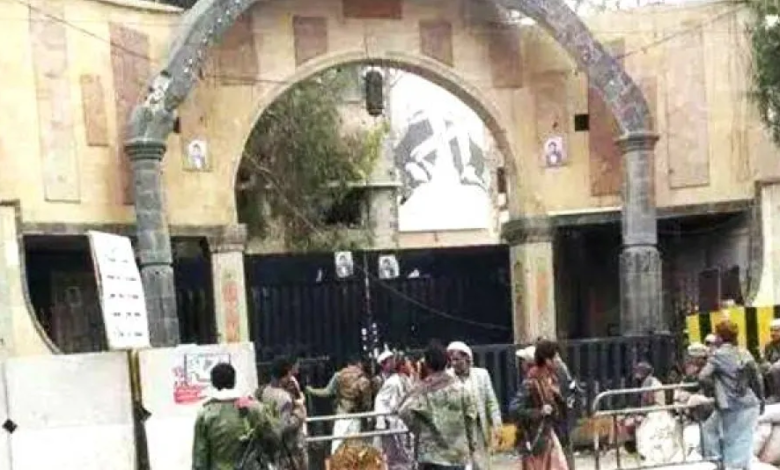
Local sources and eyewitnesses in the Yemeni capital, Sana'a, reported that the Houthi group (Ansar Allah) imposed a security cordon and a tight siege on the home of Sheikh al-Ahmar, located in the al-Hasaba neighborhood in the north of the capital. This security development brings back to the forefront the issue of ongoing tensions between the de facto authorities in Sana'a and traditional tribal figures, raising numerous questions about the reasons for this escalation and its timing given the current circumstances in Yemen.
Background of the historical conflict in Al-Hasaba neighborhood
The news of the siege of Sheikh al-Ahmar's house cannot be understood in isolation from the complex historical and political context linking the al-Ahmar family to the Houthi movement. The al-Hasaba district of Sana'a is considered the historical stronghold and political symbol of the sons of Sheikh Abdullah bin Hussein al-Ahmar, the most prominent tribal leader of the Hashid tribe. Since the Houthis seized control of the capital, Sana'a, in September 2014, this area has undergone radical transformations, as the group has sought to diminish the influence of the traditional sheikhs who were a cornerstone of the previous regime.
The house of Sheikh al-Ahmar in al-Hasaba has witnessed numerous battles and confrontations, most notably those that erupted in 2011, and later the clashes that preceded the takeover of Sana'a. This house holds political and tribal symbolism that transcends its status as a mere residential property; it is considered a stronghold of the Hashid tribe, the largest tribe in Yemen, making any military action against it carry multifaceted political implications.
The implications of timing and political dimensions
This siege carries profound implications regarding attempts to consolidate unilateral control in Houthi-held areas. Observers of Yemeni affairs believe such measures are typically intended to send a warning message to other social and tribal leaders, implying that no one is immune outside the group's complete subservience. This escalation may also indicate underlying tensions or security concerns within the group, prompting it to take preemptive measures to neutralize any potential movements originating from traditional power centers.
Impact on the tribal and social landscape
Targeting tribal leaders, even if their direct political influence has waned in recent years, remains a highly sensitive issue in Yemeni society, which is governed by tribal customs. This siege could lead to simmering resentment among the tribes surrounding Sana'a, who are watching the situation with apprehension. Despite the iron grip of security forces, attacks on tribal figures often leave scars on social and political relations that could resurface at any moment of weakness in the ruling authority.
In conclusion, the situation around Sheikh al-Ahmar’s house in Sana’a remains a vital indicator for measuring the degree of security and political stability in the capital, and reflects the continued state of tension between the forces rising by force of arms and the traditional forces rooted in the social structure of Yemen.