Houthi violations escalate in Sana'a and Ibb: Citizens' complaints are increasing

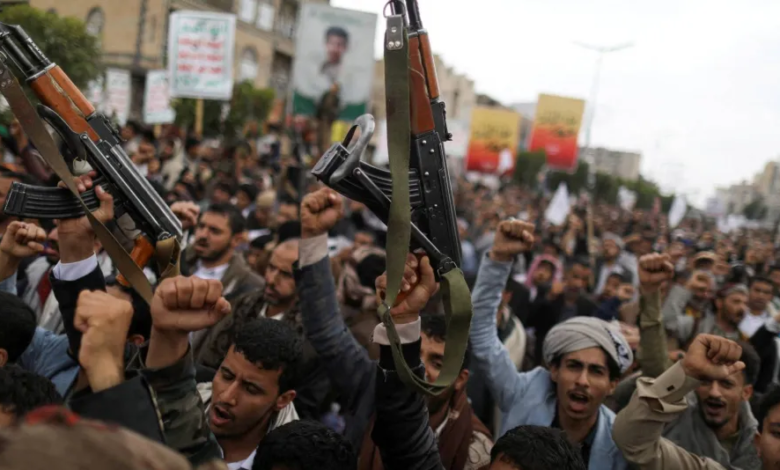
The Yemeni capital, Sana'a, and the Ibb governorate, both under Houthi control, have witnessed a significant increase in citizen complaints recently due to escalating violations and arbitrary practices affecting various aspects of their daily lives. These complaints come at a time when residents are already suffering from extremely harsh living conditions, exacerbating the humanitarian crisis in these areas.
Context of the crisis and the deterioration of state institutions
To understand the nature of these complaints, it is necessary to return to the general context of the Yemeni crisis, where the Houthi group has controlled state institutions in Sana'a and the northern governorates since its coup in late 2014. Since then, these areas have witnessed a radical change in the structure of public administration, as qualified personnel were replaced by supervisors loyal to the group, which led to a decline in the rule of law and the absence of accountability, and opened the door wide to individual practices and systematic violations against civilians.
Taxes and economic pressures
Excessive financial levies top the list of complaints from merchants and citizens in Sana'a and Ibb. Local authorities there impose numerous fees and taxes under various pretexts, such as "war effort," "khums" (a religious tax), and fees for sectarian events. These financial burdens have led to the bankruptcy of many small businesses and contributed to a dramatic rise in the prices of basic commodities, making securing a livelihood a daily struggle for ordinary citizens who have already been suffering from the interruption of salaries for years.
Security breakdown in Ibb and crackdown in Sana'a
In Ibb Governorate, known as the “Green Zone” of Yemen, life has turned into a security nightmare, according to residents. The governorate is witnessing a surge in murders and land grabs targeting public and private property, amid accusations that influential figures are protecting the perpetrators. Meanwhile, in the capital, Sana'a, violations are primarily related to public freedoms, with activists and civilians facing campaigns of harassment and confiscation of rights, as well as interference in community privacy and the imposition of strict restrictions on social activities.
Humanitarian repercussions and international warnings
The continuation of these violations not only undermines the internal stability of Yemeni society but also exacerbates what the United Nations has classified as the world's worst humanitarian crisis. Reports from international and local human rights organizations have repeatedly highlighted the gravity of the situation in Houthi-controlled areas, warning that the ongoing policy of impunity will lead to further social disintegration and economic collapse, thus necessitating serious action from the international community to protect civilians and guarantee their fundamental rights.