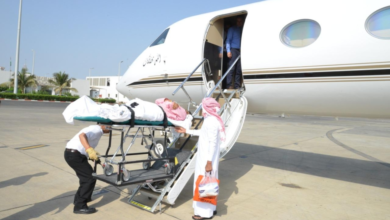

أشادت الجمعية الوطنية لحقوق الإنسان في المملكة العربية السعودية بالمستوى المتميز والتكامل الملحوظ في منظومة الخدمات المقدمة لضيوف الرحمن خلال موسم الحج لهذا العام. جاء ذلك في إطار المتابعة الميدانية التي يقوم بها فريق الجمعية لرصد وتقييم كافة الجوانب المتعلقة بضمان حقوق الحجاج وتيسير أدائهم لمناسكهم في مكة المكرمة والمشاعر المقدسة.
خلفية تاريخية وأهمية موسم الحج
يُعد الحج ركناً خامساً من أركان الإسلام، ويمثل رحلة إيمانية عميقة يقوم بها ملايين المسلمين من شتى بقاع الأرض إلى مكة المكرمة مرة واحدة في العمر لمن استطاع إليه سبيلاً. وتاريخياً، أولت المملكة العربية السعودية، بصفتها حاضنة الحرمين الشريفين، أهمية قصوى لخدمة الحجاج، حيث تطورت هذه الخدمة عبر عقود من الزمن لتتحول إلى منظومة إدارية ولوجستية ضخمة تعد من أكبر عمليات إدارة الحشود في العالم. إن نجاح كل موسم حج لا يعكس فقط الكفاءة التنظيمية، بل يحمل أهمية دينية وسياسية كبرى، ويعزز من مكانة المملكة كقائدة للعالم الإسلامي.
متابعة ميدانية شاملة من حقوق الإنسان
بدأ فريق الجمعية الميداني أعمال المتابعة منذ المراحل الأولى لوصول الحجاج، حيث شملت الجولات الرقابية مراقبة انسيابية إجراءات الوصول والتنقل، والوقوف على جودة مساكنهم ومدى تهيئة البيئة المناسبة لإقامتهم وتوفير اشتراطات الأمن والسلامة. وأكدت الجمعية أن الجاهزية المبكرة والتكامل بين مختلف القطاعات الحكومية والخاصة قد أسهما بشكل كبير في تعزيز مستوى التنظيم وتيسير حصول ضيوف الرحمن على الخدمات الأساسية المرتبطة بأداء النسك، مثل الرعاية الصحية، والإرشاد، والنقل.
تأثير الخدمات المتميزة على التجربة الإيمانية
إن توفير بيئة آمنة ومريحة للحجاج له تأثير مباشر على تجربتهم الروحانية. وقد رصدت الجمعية مستوى توافر الخدمات الأساسية كالمياه ومناطق التظليل والنظافة العامة، بالإضافة إلى الخدمات المساندة المقدمة لكبار السن والأشخاص ذوي الإعاقة، ومدى تيسير استفادتهم منها بما يعينهم على أداء مناسكهم بكرامة وطمأنينة. كما تابعت الجمعية مستوى الاستفادة من الخدمات التقنية والرقمية، مثل تطبيقات الإرشاد وبطاقة الحاج الذكية، والتي وفرت تسهيلاً ملحوظاً في تجربة الحاج خلال تنقله وحصوله على المعلومات والخدمات.
تصريح رئيس الجمعية
وفي هذا السياق، صرّح رئيس الجمعية الوطنية لحقوق الإنسان، الأستاذ خالد بن عبدالرحمن الفاخري، قائلاً: “ما يشهده موسم الحج من تكامل في الخدمات المقدمة لضيوف الرحمن يعكس اهتماماً متواصلاً بتهيئة بيئة تعين الحاج على أداء نسكه بيسر وطمأنينة، وتعزز حقه في السلامة والرعاية والوصول إلى الخدمة”. وأشار إلى أن ما لمسه فريق الجمعية ميدانياً من جاهزية مبكرة وتكامل في الخدمات قد انعكس إيجاباً على التجربة الكلية للحجاج هذا الموسم، مؤكداً أن متابعة الجمعية تأتي انطلاقاً من دورها في رصد الجوانب ذات الصلة بحقوق الإنسان، والتي تشمل الحق في السلامة، والحصول على الرعاية، وأداء الشعائر في بيئة تحفظ كرامة الإنسان.