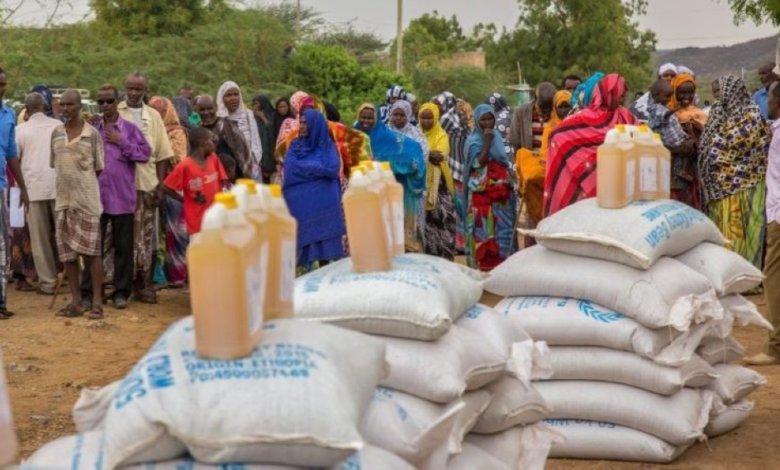
Recent UN reports have warned of a serious deterioration in the humanitarian situation in the Horn of Africa, with UN experts revealing shocking figures concerning food security in Somalia. The data confirms that the number of people facing acute food insecurity has nearly doubled in a single year, reaching unprecedented levels that threaten a genuine catastrophe if the situation is not addressed urgently.
Alarming figures and bleak forecasts
According to the Integrated Food Security Phase Classification (IPC), the UN's global standard for measuring hunger, the number of people classified as "crisis or worse" has jumped dramatically. It is estimated that this number will rise to 6.5 million between the beginning of 2025 and March 2026. This figure represents a huge increase compared to the previous year, reflecting the rapid deterioration of the country's food security system.
What makes the situation even more complicated is that this figure includes more than two million people currently in "Phase Four" of the classification, the "emergency" phase. This is the final step before reaching "Phase Five," known as "catastrophe" or outright famine, where people begin to die of starvation in large numbers.
The crisis triad: drought, conflict, and lack of funding
Experts attribute this dire situation to a "perfect storm" of overlapping factors. First, Somalia, located in the heart of the Horn of Africa, is suffering the harsh effects of climate change, having experienced two consecutive seasons of drought and low rainfall, leading to livestock deaths and crop failures that the population depends on for their livelihoods.
Secondly, the security situation plays a crucial role in exacerbating the crisis. Ongoing armed conflicts and instability in central and southern Somalia, as well as parts of the north, are displacing populations, disrupting markets, and hindering the delivery of humanitarian aid to those in need. This situation is causing a dramatic rise in the prices of basic food items, putting them out of reach for ordinary citizens.
Decline in international support and its impact
On the other hand, Somalia faces an additional challenge in the form of declining international aid. Donors' preoccupation with other global crises and global economic pressures have led to reductions in humanitarian aid budgets allocated to the Horn of Africa. This funding shortfall has forced aid organizations to reduce food rations or suspend support programs in some areas, leaving millions of Somalis without a safety net.
Historical context and future risks
Historically, Somalia has suffered recurring cycles of famine, most notably the 2011 famine that claimed a quarter of a million lives. International organizations fear a repeat of this tragic scenario if international neglect continues. Somalia's food security is not merely a local issue; it directly impacts the stability of the entire East African region, as hunger leads to mass displacement across borders, placing additional strain on neighboring countries and threatening regional security.