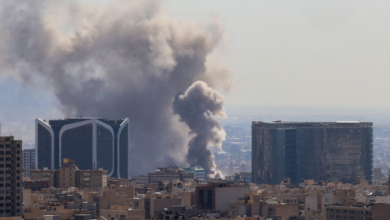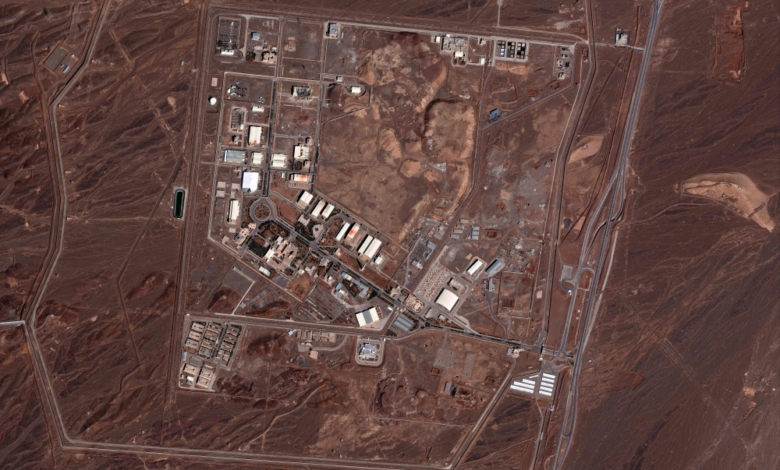
The International Atomic Energy Agency (IAEA), in its latest report, confirmed recent physical damage to buildings at the entrance to Natanz underground nuclear fuel enrichment facility. This announcement followed reports of Israeli and US airstrikes targeting the site, raising further questions about the future of Iran's nuclear program amid escalating tensions.
Details of the initial assessment and observed damages
The agency explained that its assessment of the situation was based primarily on the most recent available satellite imagery, which showed damage to the infrastructure at the entrance to the fortified tunnels. Despite the extent of the damage visible in the images, the agency was quick to reassure the international community, emphasizing that "no radioactive impact is expected" and that no abnormal emissions have been detected in the atmosphere surrounding the facility, thus mitigating fears of an immediate environmental disaster.
Conflicting diplomatic accounts
Diplomatic circles witnessed conflicting statements regarding the nature of the incident. While the Director General of the Agency, Rafael Grossi, stated that there was "no conclusive evidence" of a direct attack on the heart of sensitive nuclear facilities, the Iranian ambassador to the Agency, Reza Najafi, gave a different response, officially informing Grossi that the Natanz facility had been attacked, without providing further details about the mechanism or the extent of the internal damage, reflecting the ambiguity surrounding the situation.
The strategic importance of the Natanz facility
The Natanz facility is of paramount importance to Iran's nuclear program. Located in Isfahan province, it houses the main center for advanced centrifuges responsible for uranium enrichment. This facility has long been a focal point of international controversy and a key issue in past nuclear negotiations. Historically, Natanz has been the target of several acts of sabotage and cyberattacks (such as the Stuxnet virus in 2010 and the explosion in 2020), making it a symbol of the covert and overt struggle surrounding Tehran's nuclear ambitions.
Context of regional and international tension
This incident comes amid reports of a potential "June 2025 war" waged by Israel with US participation, which appears to have inflicted significant damage on Iran's military and nuclear infrastructure. Analysts note that targeting the entrances to underground facilities typically aims to disrupt supply chains and prevent access to centrifuges, even if the reactors themselves are not destroyed. The situation is further complicated by the International Atomic Energy Agency's inability to directly access the site for on-site inspections, leaving assessments reliant on aerial surveillance and remote analysis.