The International Atomic Energy Agency confirms damage to the Natanz nuclear facility

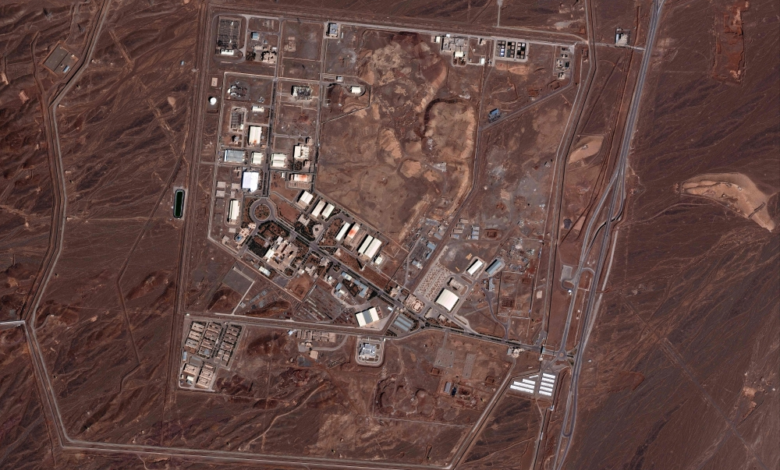
The International Atomic Energy Agency (IAEA) confirmed in a recent report that physical damage has occurred to the entrance buildings of Iran's Natanz underground nuclear fuel enrichment facility. This confirmation, based on the latest satellite imagery analyzed by IAEA experts, further highlights the tensions surrounding Iran's nuclear program.
Details of the damage at the Natanz facility
The agency explained that aerial images clearly showed damage to the infrastructure at the entrance of the vital facility, considered the backbone of Iran's enrichment program. Despite the structural damage observed in the external buildings, the agency was quick to reassure the international community regarding environmental safety, emphasizing that no radioactive effects were expected as a result of the incident, and no leaks or further impacts were detected within the facility itself or its surrounding environment.
The strategic importance of the Natanz station
The Natanz facility is of paramount importance to Iran's nuclear infrastructure. Located in Isfahan province, it comprises massive underground complexes designed to protect centrifuges from potential airstrikes. This facility is Tehran's primary site for uranium enrichment, placing it under constant international scrutiny and making it a focus of global intelligence agencies. Any damage to the facility, even to its entrances, raises serious questions about security breaches and access to these heavily fortified areas.
Historical background and context of tensions
This is not the first incident of its kind targeting the Natanz facility; the site has witnessed a series of mysterious incidents and acts of sabotage over the past decade. These range from infamous cyberattacks like the Stuxnet virus, which targeted centrifuges, to previous explosions and fires attributed to external sabotage. These developments come at a sensitive time, as the Iranian nuclear issue is marked by sharp political tensions between Tehran and Western powers, amid stalled negotiations and regional concerns about the accelerating pace of uranium enrichment.
Observers point out that continued incidents at such sensitive facilities could affect the course of diplomatic talks and further complicate the security landscape in the Middle East, especially in light of the mutual accusations and covert wars raging around the Iranian nuclear program.