Grossi confirms the safety of Iranian nuclear facilities after the recent strikes

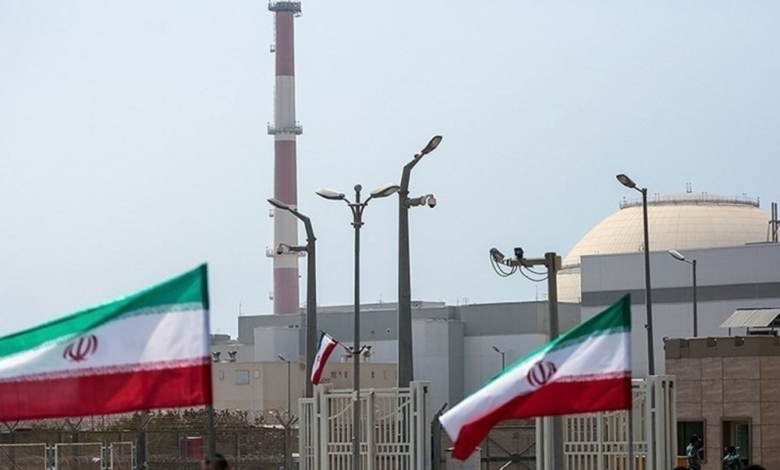
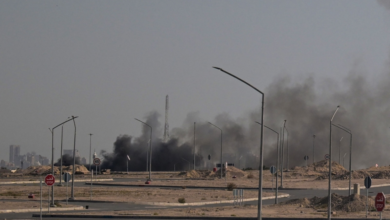
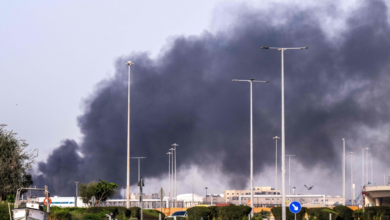
Rafael Grossi, Director General of the International Atomic Energy Agency (IAEA), confirmed in an official statement on Monday that the UN agency had not detected any indications of direct or indirect damage to Iranian nuclear facilities, following reports of recent US and Israeli strikes in the region. This statement aims to quell growing international concerns and debate about the potential for the regional conflict to escalate and target sensitive nuclear infrastructure.
Loss of contact with regulatory bodies
At the start of a special session of the IAEA Board of Governors dedicated to discussing the Iranian nuclear program, Grossi raised a crucial point of concern, noting that while efforts to contact Iranian nuclear regulatory bodies remain ongoing, no official response has yet been received. The Director General expressed his hope that “this indispensable channel of communication can be re-established as soon as possible,” emphasizing that maintaining open channels is the only guarantee for continued effective monitoring and for avoiding any misunderstandings that could have serious consequences.
Regional context and international concerns
These statements come at a time of unprecedented geopolitical tensions in the Middle East, with growing fears that the conflict could escalate to include strategic targets. The international community has long considered the safety of nuclear facilities a red line, given the catastrophic environmental and humanitarian risks that could result from any radioactive leaks should these sites be targeted. The International Atomic Energy Agency (IAEA) acts as a neutral safeguards body, striving to ensure the peaceful nature of nuclear programs and the application of global safety standards, which lends its reports considerable credibility amidst the murky military landscape.
The importance of continuous monitoring
Experts point out that the communication breakdown between the agency and Tehran, even if temporary, presents a technical and diplomatic challenge. Continuous monitoring via cameras and sensors, along with on-site visits by inspectors, is the cornerstone of the Comprehensive Safeguards Agreement. The Iranian side's silence at this time can be interpreted in several ways, ranging from internal security precautions in light of external threats to political messages reflecting the stalemate in diplomatic relations. Nevertheless, Grossi's assurances regarding the safety of the facilities remain a reassuring factor for global markets and neighboring countries, which are cautiously watching the unfolding events of the current escalation.