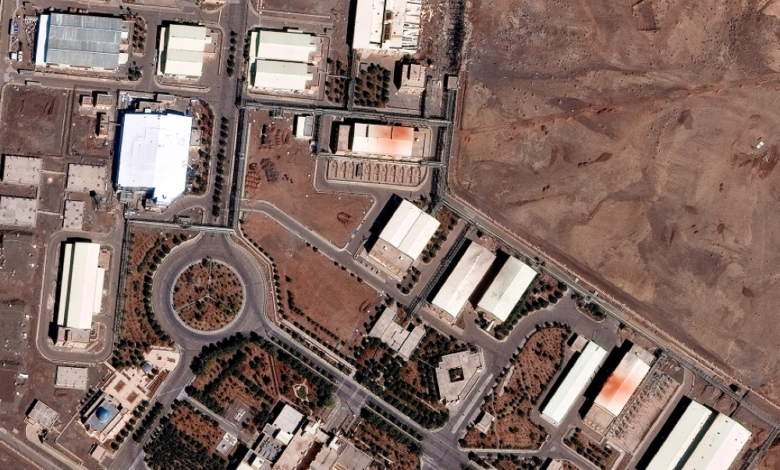

حذّرت الوكالة الدولية للطاقة الذرية في تقرير جديد لها من أن تعذّر الوصول الكامل والتحقق من المواد النووية في إيران يثير مخاوف جدية من الانتشار النووي، في تصعيد لافت للغة المستخدمة تجاه البرنامج النووي الإيراني المثير للجدل. ودعت الوكالة في تقريرها السري، الذي تم توزيعه على الدول الأعضاء، طهران إلى التعاون الفوري و”البنّاء” لتبديد هذه الشكوك التي تلقي بظلالها على الأمن الإقليمي والدولي.
خلفيات التوتر ومسار المفاوضات المتعثر
تأتي هذه التحذيرات في سياق تاريخ طويل من التوترات بين إيران والقوى الغربية بشأن طموحاتها النووية. فمنذ الكشف عن برنامجها السري في أوائل العقد الأول من القرن الحادي والعشرين، والمجتمع الدولي يسعى لضمان سلمية هذا البرنامج. وقد توجت هذه الجهود بالتوصل إلى خطة العمل الشاملة المشتركة (الاتفاق النووي) في عام 2015، والتي فرضت قيودًا صارمة على أنشطة إيران النووية مقابل رفع العقوبات الاقتصادية عنها. إلا أن انسحاب الولايات المتحدة من الاتفاق في عام 2018 وإعادة فرضها للعقوبات دفع طهران إلى التراجع تدريجيًا عن التزاماتها، بما في ذلك زيادة مستويات تخصيب اليورانيوم وتوسيع قدراتها، مما أعاد الملف إلى نقطة الصفر تقريبًا.
تصعيد غير مسبوق ومخاطر الانتشار النووي
أشار تقرير الوكالة إلى أن الهجمات التي استهدفت منشآت نووية إيرانية في السنوات الأخيرة قد خلقت “وضعًا غير مسبوق”، مما يعقد مهام المراقبة والتحقق. ورغم أن الوكالة لم تحدد المسؤول عن هذه الهجمات، إلا أنها أكدت أن التأخير في استئناف أنشطة التحقق في إيران أمر “في غاية الأهمية” لضمان عدم تحويل المواد النووية لأغراض عسكرية. وتتزايد المخاوف بشكل خاص مع وصول إيران إلى مستويات تخصيب لليورانيوم بنسبة 60%، وهي نسبة قريبة جدًا من درجة النقاء المطلوبة لصنع سلاح نووي، وهو ما تعتبره الوكالة خطوة خطيرة تفتقر إلى أي مبرر مدني معقول.
تداعيات إقليمية ودولية للأزمة
إن عدم اليقين المحيط ببرنامج إيران النووي لا يهدد فقط بنية معاهدة عدم الانتشار العالمية، بل يهدد بإشعال سباق تسلح نووي في منطقة الشرق الأوسط التي تعاني بالفعل من عدم الاستقرار. وتنظر دول الجوار، مثل المملكة العربية السعودية وإسرائيل، بقلق بالغ إلى تطورات البرنامج الإيراني، معتبرة إياه تهديدًا مباشرًا لأمنها القومي. وعلى الصعيد الدولي، تزيد هذه الأزمة من تعقيد المشهد الجيوسياسي، حيث تحاول القوى الكبرى (بما في ذلك الولايات المتحدة وأوروبا وروسيا والصين) إيجاد سبيل دبلوماسي لإعادة إيران إلى الامتثال الكامل، وهي مهمة تبدو أكثر صعوبة من أي وقت مضى في ظل غياب الثقة وتصاعد الأعمال العدائية.