Atomic energy warnings after Iran's Dimona and Natanz facilities were targeted

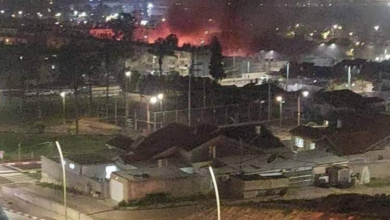
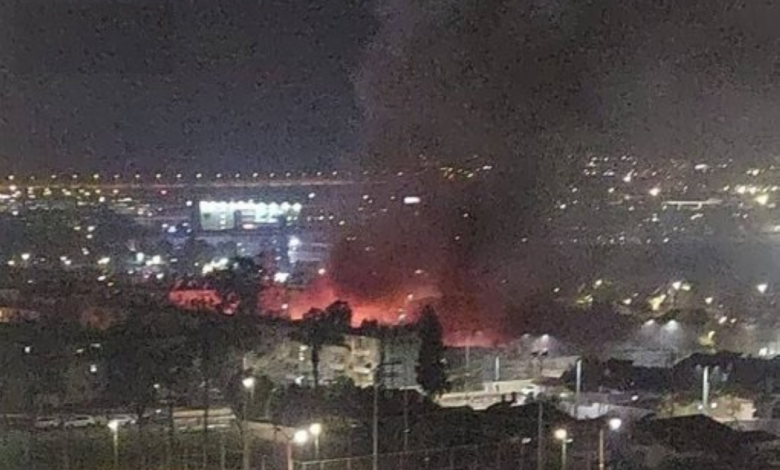
In a dangerous escalation threatening stability in the Middle East, the International Atomic Energy Agency (IAEA) for “maximum military restraint” following Iran’s missile attack on Dimona, home to Israel’s main nuclear facility in southern Israel. This rapid development comes as a direct response to what Tehran described as a US-Israeli attack on Natanz nuclear facility earlier this week.
Atomic energy warnings and the safety of the Dimona reactor
The UN agency confirmed via its official accounts that it is closely monitoring reports of a missile strike near Dimona. The agency reassured the international community that there are no indications or concrete evidence of damage to the nuclear research center in the Negev. It added that monitoring equipment has not recorded any abnormal radiation levels in the area. In this context, the agency's Director General, Rafael Grossi, stressed the critical need for maximum restraint, warning of the catastrophic consequences of any miscalculation in the vicinity of nuclear facilities.
Iranian response and targeting of the Natanz facility
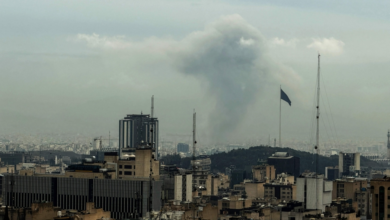
For its part, Iranian state television announced that the missile strike on Dimona was a “legitimate response” to the sabotage of the Natanz uranium enrichment facility. The Atomic Energy Organization of Iran confirmed that the United States and Israel were behind the attack on the Natanz complex on Saturday morning. Despite the severity of the attack on the Iranian facility in the center of the country, local authorities confirmed that no radioactive material leakage had been detected, describing the operation as “nuclear terrorism” that warranted a response. Meanwhile, the Israeli military acknowledged that the Dimona area had been struck by an Iranian missile, resulting in injuries to 39 people, according to local emergency reports.
Historical background of nuclear shadow warfare
To understand the dimensions of this escalation, one must consider the historical background of the two facilities. The Dimona reactor , built in the late 1950s with French assistance, is the cornerstone of Israel’s undeclared nuclear program and has always been shrouded in secrecy. On the other hand, the Natanz facility is the heart of Iran’s uranium enrichment program and has been subjected to a series of cyber and physical attacks over the past decade, most notably the Stuxnet virus in 2010, as well as mysterious explosions in 2020 and 2021.
Regional and international repercussions
This tit-for-tat escalation and the targeting of nuclear infrastructure have serious repercussions at both the regional and international levels. Regionally, this development threatens to transform the ongoing “shadow war” between Tehran and Tel Aviv into an open confrontation that could draw in other parties in the region. Internationally, these events cast a heavy shadow over ongoing diplomatic efforts, particularly those related to negotiations aimed at reviving the Iranian nuclear agreement. Targeting nuclear facilities crosses internationally recognized red lines, presenting the international community with an unprecedented challenge to prevent the Middle East from sliding into a nuclear catastrophe or a full-blown regional war.