The International Energy Agency is injecting emergency reserves into the markets

Introduction: Urgent action to ensure the stability of energy markets
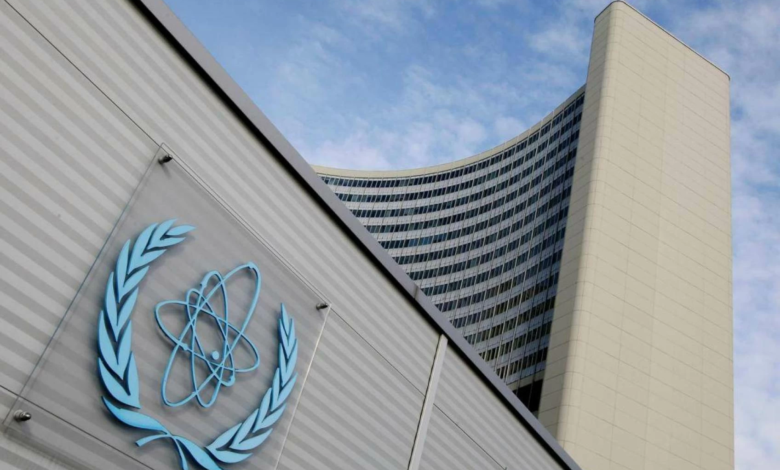
In a crucial strategic move, the International Energy Agency (IEA) announced that oil from its emergency reserves will soon begin flowing into global markets. This decision comes at a time of sharp fluctuations in global energy markets, as the agency seeks to reassure markets and curb soaring prices. In its official statement today, the IEA explained that oil stocks from Asia and Oceania will be made available immediately to meet urgent demand, while stocks from Europe and the Americas will be released by the end of March, ensuring a continuous flow of supplies in the coming weeks.
The largest release in the history of the International Energy Agency
This historic move represents the largest release of oil stockpiles in the history of the International Energy Agency (IEA). The IEA was founded in 1974 in response to the 1973 global oil crisis, with the primary objective of ensuring energy security for its member countries and coordinating collective responses during major global crises.
The agency noted that member states in the Americas will play a pivotal role by providing 172.2 million barrels of oil. In total, governments have committed to releasing 271.7 million barrels of oil from their strategic reserves. These quantities are carefully allocated to meet refinery needs, with crude oil accounting for 72% of the planned drawdown and refined petroleum products making up the remaining 28%.
Supply gap and the challenges of the Strait of Hormuz
Despite the magnitude of these figures, challenges remain. According to a specialized report published by CNBC and reviewed by Al Arabiya Business, the release of emergency stockpiles will take time to fully implement. More importantly, the announced quantity, while substantial, remains far less than the enormous supply gap caused by the closure of the Strait of Hormuz.
The Strait of Hormuz is one of the world's most strategically important waterways, through which approximately 20% of the world's daily oil consumption passes. Therefore, any disruption to this vital waterway creates an immediate and irreversible shock to global supply chains, explaining the prevailing anxiety in global markets and its direct impact on shipping and insurance costs.
Expected impact and international coalition to confront the crisis
The oil market sent a clear signal this week that the massive release of oil from stockpiles by the United States and its allies may not be enough on its own to counter the unprecedented supply disruptions caused by geopolitical tensions and the potential war with Iran. To address this unprecedented challenge, more than 30 countries in Europe, North America, and Northeast Asia agreed on a comprehensive emergency plan that includes releasing 400 million barrels of oil into the market to curb the runaway price surge.
The United States is leading this strategic effort by releasing 172 million barrels of oil from its Strategic Petroleum Reserve, representing approximately 43% of the total amount overseen by the International Energy Agency. In conclusion, this coordinated international action reflects the interconnectedness of the global economy and its dependence on stable energy flows. These measures aim to prevent the global economy from slipping into stagflation due to exorbitant energy costs.