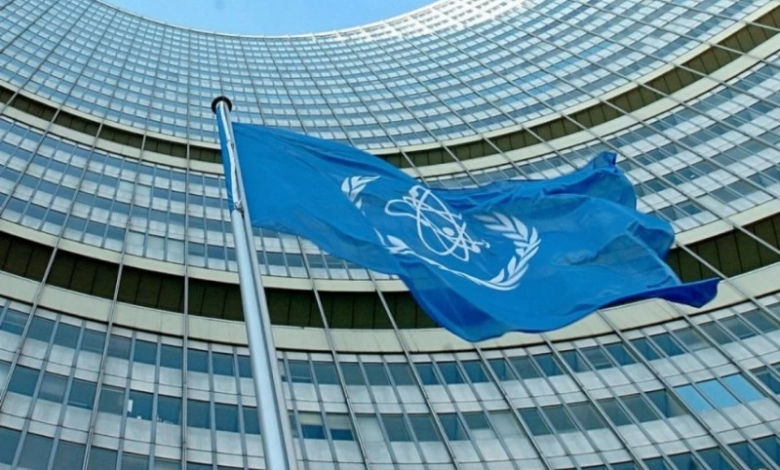
Fatih Birol, the Executive Director of the International Energy Agency, confirmed that the agency is following with great interest and close attention the course of events and rapid developments in the Middle East region, stressing the need to assess their potential repercussions on global oil and gas markets and international trading.
In a post on the social media platform X, Birol explained that "global markets are currently adequately supplied," which sends an initial message of reassurance to both investors and consumers. The international official noted that he is in intensive and ongoing contact with the relevant ministries in the region's major producing countries, as well as with the governments of the agency's member states, to ensure an accurate and comprehensive assessment of the current situation.
The strategic importance of the Middle East region
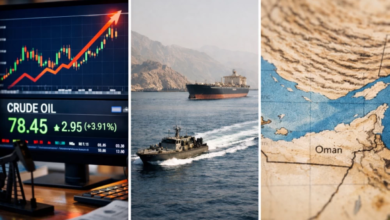
The International Energy Agency director's remarks come at a time when the world's attention is focused on the Middle East, the heart of the global energy sector. The region not only possesses vast oil and gas reserves but also includes vital shipping lanes such as the Strait of Hormuz, through which nearly a fifth of the world's oil supply passes daily. Therefore, any geopolitical tension in this region is immediately reflected in market indicators and raises concerns about supply chains and global energy security.
The role and history of the International Energy Agency
The International Energy Agency (IEA) was founded in the aftermath of the 1973 oil crisis with the primary goal of maintaining the stability of global energy supplies. The agency plays a pivotal role in coordinating policies among oil-consuming nations and possesses a mechanism for emergency intervention through the release of strategic reserves from member countries. Birol's assertion of "adequate supplies" suggests that current commercial and strategic stockpiles are capable of absorbing short-term shocks, thus reducing the likelihood of sharp and unjustified price spikes at present.
Potential economic impacts
On the economic front, analysts are watching the situation closely, as any potential supply disruptions or a significant increase in energy prices could cast a shadow over the global economy, which is still recovering from recent waves of inflation. Higher oil and gas prices typically lead to increased production and transportation costs, which can put pressure on central banks worldwide regarding their monetary policies. Therefore, the coordination led by the International Energy Agency with producers and consumers is a necessary proactive step to calm markets and ensure a continued flow of energy at reasonable and stable prices.