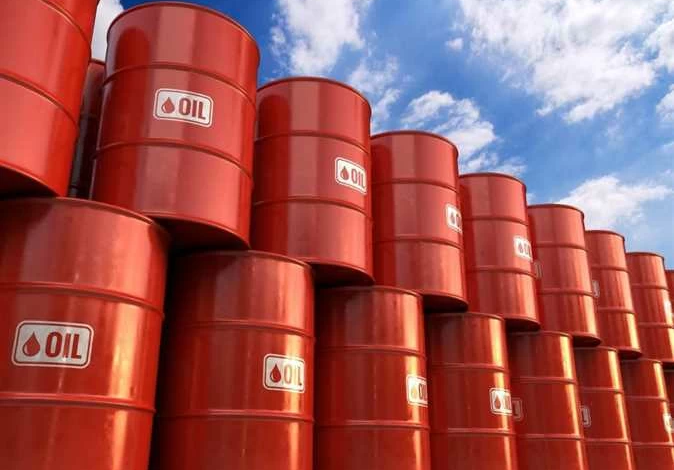

In an unprecedented move reflecting the magnitude of current economic and geopolitical challenges, the International Energy Agency (IEA) towards a decisive decision aimed at controlling the volatility of energy markets. The agency is proposing the largest release of emergency oil reserves in its history, by injecting a massive 400 million barrels into global markets. This strategic step is intended to curb the sharp rise in global oil prices, a consequence of geopolitical tensions and the ongoing war in the Middle East.
Details of the International Energy Agency's proposal
According to recent reports by Bloomberg, citing sources familiar with the discussions, the International Energy Agency (IEA) has proposed releasing between 300 and 400 million barrels of crude oil into the market. This massive figure represents double the size of the agency's historic intervention in 2022 following the outbreak of the Russian invasion of Ukraine. This urgent intervention aims to ensure the stability of global supplies and provide a lifeline to the global economy, which is already suffering from mounting inflationary pressures.
Historical context and importance of the event
To understand the significance of this event, one must consider the historical context of the International Energy Agency's (IEA) establishment. Founded in 1974 in response to the 1973 global oil crisis, the IEA's primary objective was to protect consuming nations from supply shocks. Over the past decades, the agency has only resorted to drawing from its Strategic Emergency Reserve in rare and limited instances, such as the 1991 Gulf War, Hurricane Katrina in 2005, the 2011 Libyan crisis, and most recently, the 2022 Ukrainian crisis. Therefore, the threat of releasing 400 million barrels at once is a clear indication of the international community's deep concern about the repercussions of the current conflict in the Middle East, which includes vital energy transit routes like the Strait of Hormuz.
Economic repercussions and the G7's stance
On the economic front, rising energy prices are raising widespread concerns about a resurgence of inflation, which global central banks have struggled to control through interest rate hikes. Accordingly, leaders of the G7 nations are scheduled to discuss this extraordinary proposal at their upcoming summit. The world's major industrialized nations are seeking to coordinate international efforts to alleviate inflationary pressures that are weighing heavily on both consumers and businesses. In this context, French Finance Minister Roland Lescure emphasized that all options are on the table to ensure market stability and prevent any potential supply shortages.
Expected impact on global markets
Regionally and internationally, this decision is expected to have profound effects. On the one hand, releasing these quantities will calm markets and lower fuel prices for end consumers in importing countries, thus supporting global economic growth. On the other hand, this intervention may put pressure on the OPEC+ alliance, which manages production policy to maintain market balance. Coordinating these releases among IEA member countries requires complex logistics and significant political consensus, making the next few days crucial in determining the trajectory of the global economy and energy prices in the foreseeable future.