Iftar for those fasting in the Grand Mosque of Mecca: A meticulously organized event that unites the world

The spirituality of time and place in the Grand Mosque
In a majestic display of faith that is repeated daily during the holy month of Ramadan, the Grand Mosque in Mecca embraces millions of Muslims who flock from every corner of the earth. As the call to Maghrib prayer approaches, the most beautiful images of human and spiritual unity are revealed, as the faces of fasting people from different nationalities and continents gather around a single iftar table. This scene not only reflects the spirit of Islamic solidarity that characterizes this blessed month, but also highlights the Kingdom of Saudi Arabia's ability to manage and organize millions of people with ease and efficiency.
A historical extension of serving the guests of God
Providing water and food to pilgrims performing Hajj and Umrah is a deeply rooted historical tradition in Mecca dating back to pre-Islamic times, and Islam has reinforced and solidified these values. In the modern Saudi era, these individual efforts have transformed into a massive institutional undertaking led by the state within the framework of Saudi Vision 2030, specifically the Guests of God Service Program, which aims to enrich the religious experience and provide the utmost comfort for pilgrims.
Huge numbers and meticulous organization of breakfast travel
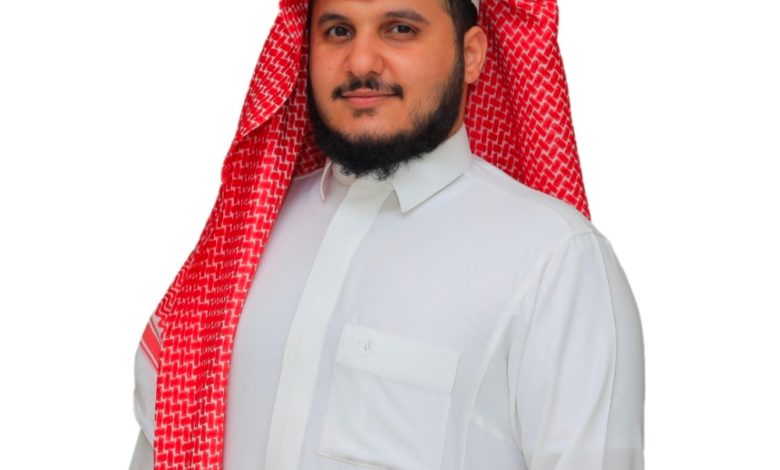
In this context, Salman Al-Zahrani, one of the organizers of the Ramadan iftar meals from the Sanad Al-Khair Humanitarian Services Association in Jeddah, explains that what the Grand Mosque witnesses before iftar is a unique scene unparalleled globally. He pointed out that organizing the iftar meals is a collaborative effort involving the government and the active participation of the third sector, represented by charitable organizations. These joint efforts result in one of the largest iftar tables in the world, with approximately 200,000 meals distributed daily within the halls and courtyards of the Grand Mosque. The Sanad Al-Khair Association alone contributes between 2,000 and 5,000 meals daily in precisely defined areas.
Strict health and logistical standards
To ensure the safety of pilgrims, the meal preparation process is subject to a series of strict logistical procedures. The process begins at food storage warehouses, where dry meals are prepared according to precise health requirements set by regulatory bodies, most notably the Saudi Food and Drug Authority. After preparation, the meals are transported via a fleet of refrigerated and air-conditioned vehicles to maintain their quality, arriving at the vicinity of the Grand Mosque in Mecca before the afternoon prayer, where staff begin unloading and arranging them.
The role of volunteer work and institutional integration
The success of this massive initiative depends on a comprehensive system of volunteer work and meticulous planning. The staff is deployed with great precision, each team responsible for a specific location according to an organizational plan that prevents overlap or congestion. This early planning, which begins months before Ramadan, ensures that travel arrangements are made quickly and that those fasting are received well before the call to prayer.
Regional and international impact
The comprehensive services provided to those fasting at the Grand Mosque extend far beyond the local sphere, conveying a message of peace and tolerance to the entire world. The sight of Muslims from diverse cultures and languages sitting side by side embodies the unity of the Ummah and reflects the soft power of the Kingdom of Saudi Arabia in leading humanitarian and Islamic initiatives, offering visitors to the Two Holy Mosques an unforgettable spiritual experience in the holiest places on earth.