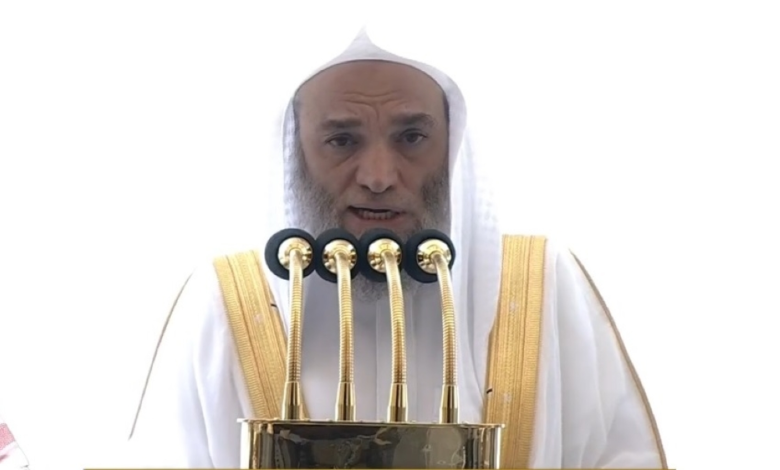

في خطبة مؤثرة ألقاها من منبر المسجد الحرام، حذر إمام وخطيب المسجد الحرام، فضيلة الشيخ الدكتور فيصل غزاوي، من واحدة من أخطر الآفات الروحية والنفسية التي قد تصيب الإنسان، وهي آفة انتكاس القلب والتباس الأمور عليه. وأكد فضيلته أن هذا الخطر الداهم يجعل المرء يرى القبيح حسناً، والحسن قبيحاً، ويخلط بين الحق والباطل، فيظن الضلال هدى والهدى ضلالاً، مما يؤدي إلى هلاك محقق في الدنيا والآخرة.
السياق التاريخي والأهمية العالمية لخطب الحرم المكي
تكتسب خطب المسجد الحرام أهمية بالغة ومكانة تاريخية عميقة في وجدان المسلمين. فمنذ فجر الإسلام، يُعد منبر الحرم المكي بمثابة البوصلة الروحية والأخلاقية التي توجه ملايين المسلمين حول العالم. وفي العصر الحديث، ومع التطور التقني ومشروع خادم الحرمين الشريفين للترجمة الفورية لخطب الحرمين، أصبح تأثير هذه الخطب يتجاوز النطاق المحلي والإقليمي ليصل إلى النطاق الدولي، حيث تُبث بلغات متعددة لتصل إلى المسلمين في شتى بقاع الأرض. هذا الوصول العالمي يجعل من التوجيهات الأخلاقية، كالتحذير من مكايد الشيطان والانحراف الفكري والأخلاقي، رسالة عالمية تعزز من قيم الاعتدال، وتحمي المجتمعات من الانزلاق في مستنقعات الفساد وتزيين الباطل.
خطر تزيين الشيطان لسوء الأعمال
وقد بين الدكتور غزاوي في خطبته أن الله سبحانه وتعالى قد وضح في كتابه الكريم حال أقوام بطلت أعمالهم وهم يحسبون أنهم يحسنون صنعاً. وأرجع فضيلته هذا الخسران المبين إلى ما يزينه الشيطان للإنسان من الأهواء والآثام. فالشيطان يعمد إلى تزيين السيئات وتغليفها في صورة منافع ولذات وهمية، ليغفل الإنسان عن سوء عاقبتها، فيقع في شباك المعصية وهو يعتقد أنه على صواب، وهذا هو حال من اختلت عنده الموازين الربانية.
أنواع تزيين الأعمال في المنظور القرآني
وأوضح فضيلة إمام الحرم المكي أن المتأمل بوعي في آيات القرآن الكريم، يتبين له أن إضافة تزيين الأعمال تنقسم إلى نوعين رئيسيين: حسن وقبيح. التزيين الحسن هو ما نسبه الله عز وجل لنفسه، كحب الإيمان وتزيينه في قلوب المؤمنين. أما التزيين القبيح، فهو ما نُسب إلى سببه ومن أجراه على يده، وهو مضاف للشيطان الذي يتقن إظهار سوء الأعمال في قوالب براقة ومغرية لكي يوقع بني آدم في الغواية.
أمثلة قرآنية خالدة لأخذ العبرة
ولترسيخ هذا المفهوم، استشهد الخطيب بأن القرآن الكريم حافل بذكر الأمثلة التاريخية لأقوام وشخصيات استهواهم الشيطان فزين لهم الغواية. ومن أبرز هذه القصص، قصة أبي البشر آدم عليه السلام وزوجته، حين زين لهما الشيطان الأكل من الشجرة المحرمة في الجنة، مما أدى إلى خروجهما منها، لتكون أول درس للبشرية في الحذر من خداع إبليس. كما تطرق إلى تزيين الشيطان لكفار قريش قتال المسلمين في غزوة بدر، موهماً إياهم بالغلبة. ومن أشنع الأمثلة التاريخية التي ذكرها فضيلته، قصة فرعون الذي استكبر في الأرض، فزين له سوء عمله، فضل وأضل قومه، وطغى وظلم العباد حتى أهلكه الله، ليكون عبرة لكل من يغتر بتزيين الباطل في كل زمان ومكان.
التأثير المتوقع للالتزام بالتوجيهات الربانية
إن الوعي بمداخل الشيطان، كما بينتها خطبة المسجد الحرام، له تأثير إيجابي كبير على استقرار المجتمعات. فعلى الصعيد المحلي والإقليمي، يساهم هذا الوعي في بناء مجتمع متماسك يرفض الانحرافات السلوكية والفكرية التي تُسوق تحت مسميات براقة. وعلى الصعيد الدولي، تقدم هذه المفاهيم الإسلامية الأصيلة نموذجاً للبشرية جمعاء في كيفية الحفاظ على الفطرة السليمة والأخلاق القويمة في عصر تتلاطم فيه أمواج الشبهات والشهوات.