
في خطوة أكاديمية ومجتمعية رائدة، أعلنت جامعة الإمام عبد الرحمن بن فيصل عن إطلاق مبادرة نوعية تهدف إلى تحويل 7 قرى تقليدية في محافظة القطيف إلى "مختبرات مفتوحة"، وذلك بهدف الدراسة والتوثيق العمراني الدقيق لنسيجها الحضري. تأتي هذه المبادرة لتعزيز الارتباط بين المخرجات التعليمية والواقع الميداني، وسعياً للحفاظ على الهوية العمرانية الأصيلة للمنطقة.
أهمية تاريخية وعمق حضاري لمحافظة القطيف
تكتسب هذه المبادرة أهميتها من القيمة التاريخية الكبيرة التي تتمتع بها محافظة القطيف، التي تُعد واحدة من أقدم المناطق المأهولة في شبه الجزيرة العربية. تمتاز قرى القطيف بنسيج عمراني فريد يعكس تكيف الإنسان مع بيئته الساحلية والزراعية عبر العصور، حيث تتداخل المباني السكنية مع بساتين النخيل والممرات الضيقة التي توفر الظل والتهوية الطبيعية. ويأتي تحرك الجامعة في وقت حاسم لتوثيق هذه السمات المعمارية قبل اندثارها أو تأثرها بالزحف العمراني الحديث، مما يجعل من هذا المشروع وثيقة تاريخية وهندسية للأجيال القادمة.
تفاصيل المبادرة والقرى المستهدفة
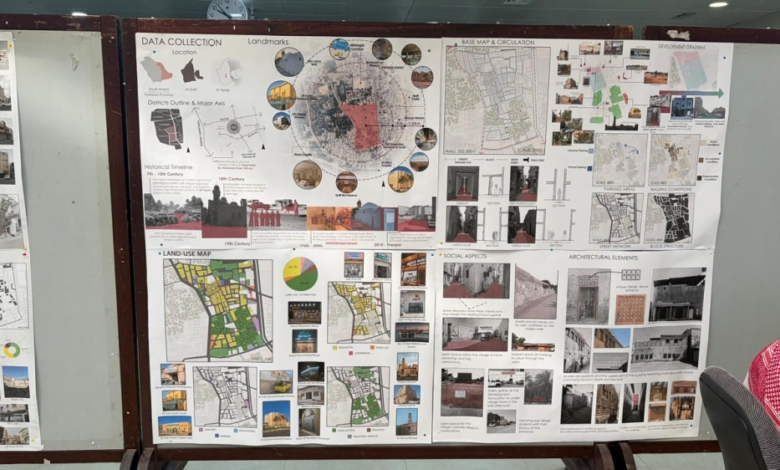
أوضح عميد كلية العمارة والتخطيط ورئيس قسم العمارة بالجامعة، الدكتور بدران الزنيفير، أن هذا التوجه يهدف إلى قراءة النسيج العمراني الأصيل وتطوير هويته عبر حلول تصميمية مبتكرة. وتشمل القرى المشمولة بالدراسة التطبيقية كلاً من: عنك، الجارودية، البحاري، الجش، التوبي، حلة محيش، وأم الحمام. وقد تم التعامل مع هذه القرى كمناطق محجوزة للدراسة الميدانية المكثفة، مما يتيح للطلاب فهماً عميقاً لتكويناتها المكانية وتاريخها الاجتماعي.
ربط التعليم الجامعي برؤية المملكة 2030
لا يقتصر هذا المشروع على الجانب الأكاديمي فحسب، بل يتقاطع بشكل مباشر مع مستهدفات رؤية المملكة 2030، وتحديداً في برنامج "جودة الحياة" ومبادرات "أنسنة المدن". من خلال توظيف الخبرات الأكاديمية لمعالجة قضايا واقعية، تسعى الجامعة إلى تقديم حلول تصميمية ترفع من كفاءة البيئة العمرانية وتحافظ على الطابع المحلي، مما يعزز من جاذبية هذه القرى سياحياً وثقافياً في المستقبل. وأكد الدكتور الزنيفير أن المبادرة تسعى لردم الفجوة بين التعليم الجامعي واحتياجات المجتمع، وربط المعرفة الأكاديمية بالتحديات الحضرية التي تواجه المدن السعودية.
من القاعات الدراسية إلى الميدان
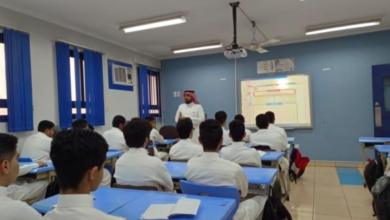
من جانبه، كشف المشرف على استوديو التصميم العمراني لطلاب السنة الرابعة، الدكتور يوسف السحيمي، أن المقرر شهد نقلة نوعية بالانتقال من القاعات الدراسية إلى العمل الميداني المباشر. وأشار إلى أن الطلاب يستخدمون أدوات تحليلية متقدمة لرصد وقياس العلاقات المكانية بين الكتل والفراغات، معتمدين على مفاهيم الإدراك البصري والصورة الذهنية للمدينة. وأكد أن فهم سلوكيات الأفراد والأنشطة المجتمعية يُعد حجر الأساس لأي تدخل عمراني ناجح، لضمان استدامة الحلول وقبولها اجتماعياً، مع إجراء مقارنات مع نماذج إقليمية وعالمية لاستلهام أفضل الممارسات وتطويعها بما يتناسب مع بيئة القطيف.