The Islamic Alliance concludes its intellectual security program in Riyadh with the participation of 10 countries

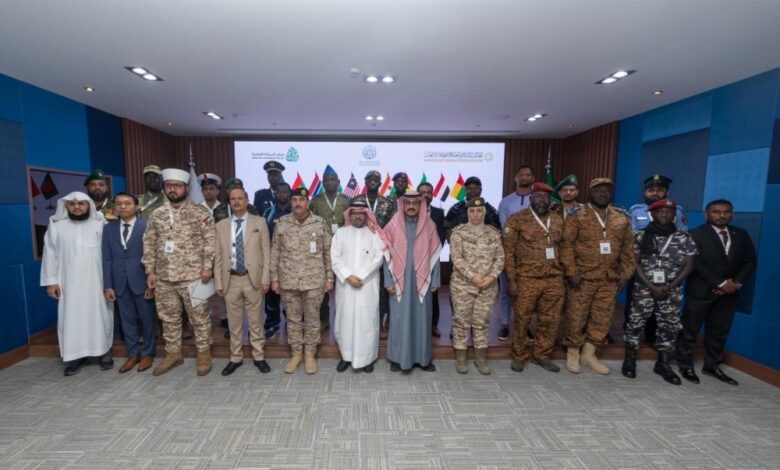
The Islamic Military Counter Terrorism Coalition, in cooperation with the Center for Intellectual Protection, concluded its specialized training program entitled "Intellectual Strategy for Enhancing Intellectual Security." The program was held at the Center's headquarters in Riyadh, Saudi Arabia, with a high-level attendance and broad international participation, reflecting the growing interest in combating terrorism at its ideological roots.
Program details and international participation
The five-day training program saw active participation from 24 trainees representing 10 member states of the Islamic Military Counter Terrorism Coalition. This group comprised leading experts and professionals in relevant security and intellectual fields. The program included intensive training sessions and interactive workshops designed to facilitate the exchange of expertise and enhance preparedness.
Strategic context and the role of the Islamic Alliance
This program comes within the framework of the ongoing efforts of the Islamic Military Counter Terrorism Coalition since its inception. The Coalition's work is based on four main areas: intellectual, media, countering the financing of terrorism, and military. The intellectual sphere is the cornerstone of the Coalition's strategy, given that terrorism begins as an extremist ideology before it escalates into violent action. These programs aim to dismantle extremist narratives and fortify Muslim societies against the misleading propaganda used by terrorist groups to recruit young people.
Training topics and confrontation methods
The program focused meticulously on reviewing modern concepts of intellectual security and uncovering the psychological and social methods used by extremist groups in their recruitment and radicalization efforts. Participants were also trained in mechanisms for analyzing and deconstructing extremist discourse, and equipped with the necessary cognitive skills to build intellectual defenses. This type of training is essential for enabling specialists to anticipate and address risks using well-considered, scientific methods.
Importance and expected impact
This event is of paramount importance both regionally and internationally, as it contributes to unifying concepts and visions among member states regarding the nature of intellectual security and the means to achieve it. This training is expected to positively impact participating countries through the transfer of acquired expertise and its application in local national strategies. Furthermore, cooperation with the Center for Intellectual Protection underscores the principle of institutional integration, enhancing the ability of Islamic countries to confront the challenges of extremism with a unified front and reinforcing the values of moderation and centrism as fundamental pillars of international stability and security.