The Islamic Alliance concludes its program to combat terrorism financing in Niger

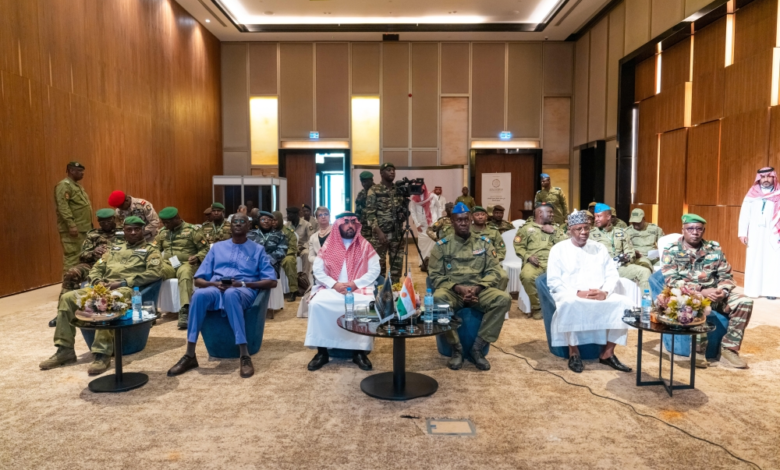
The Islamic Military Counter Terrorism Coalition (IMCTC) concluded its advanced training program in Niamey, Niger, on Friday. The program focused on developing national expertise in combating terrorist financing and money laundering. This initiative is part of a series of advisory services offered by the IMCTC to its member states, aimed at building a robust institutional defense against financial crimes that fuel terrorist activities.
Program details and trainer qualifications
The five-day program saw the participation of 25 trainees, all leading experts in the financial, security, regulatory, and military sectors in the Republic of Niger. The program was distinguished by its adoption of a "Training of Trainers" (TOT) methodology, which went beyond simply imparting knowledge. It focused on equipping participants to become trainers capable of transferring expertise and localizing knowledge within their national institutions, thus ensuring the long-term sustainability of the training impact.
The training package included a well-crafted mix of theoretical aspects and practical applications, where participants were trained on the latest financial analysis techniques for detecting suspicious flows, mechanisms for tracking funds across borders, as well as a deep understanding of international legal and legislative frameworks, in line with the recommendations of the Financial Action Task Force (FATF).
Regional context and the importance of timing
This program is of paramount strategic importance given its location and timing; Niger lies at the heart of the Sahel region of Africa, which faces complex security challenges and a growing presence of extremist groups. Combating the financing of terrorism is a cornerstone of cutting off the sources of terrorism in this vital region, where terrorist organizations rely on illicit financial channels to fund their operations and recruit members.
This move reflects a deep understanding that military confrontation alone is not enough to eliminate terrorism, but must be accompanied by precise intelligence and financial efforts to cut off the economic lifeline of these groups, which is what the coalition seeks to strengthen by empowering national institutions in member states.
Pillars of the Islamic Military Alliance
This effort falls within the framework of the Islamic Military Counter Terrorism Coalition, headquartered in Riyadh, which operates across four main areas: intellectual, media, military, and counter-terrorism financing. The conclusion of this program in Niamey underscores the Coalition's commitment to supporting its member states not only morally, but also through practical programs that enhance the capabilities of their security and oversight agencies.
In conclusion, the program organizers stressed that strengthening institutional cooperation between financial and security entities within a single country, and between member states of the alliance, is the best way to protect global financial systems from exploitation and to consolidate security and stability at the regional and international levels.