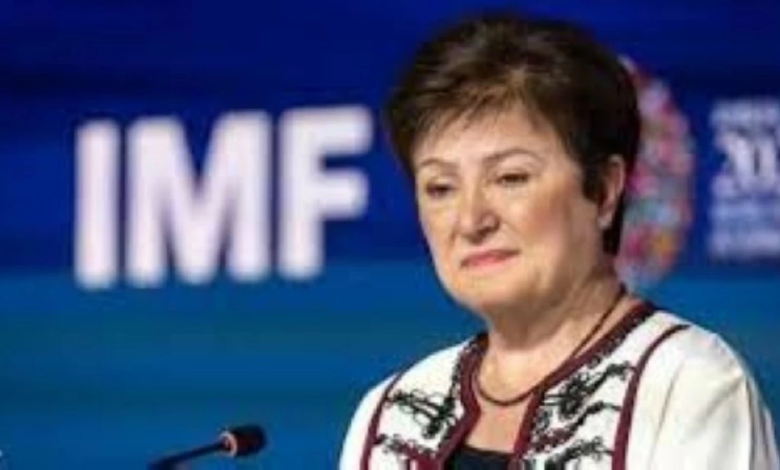

أكدت كريستالينا غورغييفا، مديرة صندوق النقد الدولي، أن الاقتصاد العالمي يمر بمرحلة مفصلية تتسم بحالة من «عدم اليقين» التي باتت تشكل الوضع الطبيعي الجديد، مما يدفع المستثمرين وصناع القرار المالي للبحث عن الاستقرار في الملاذات الآمنة التقليدية، وعلى رأسها الذهب والدولار الأمريكي.
هيمنة الدولار في عالم متعدد الأقطاب
وفي حديثها خلال مؤتمر «العلا» للاقتصادات الناشئة، أوضحت غورغييفا أن العالم يتجه بالفعل نحو نظام «تعدد الأقطاب»، وهو تحول جيوسياسي واقتصادي ينعكس بشكل مباشر على آليات عمل النظام النقدي الدولي. ورغم النقاشات المتزايدة حول «إلغاء الدولرة» أو صعود عملات بديلة، شددت مديرة الصندوق على أن هذا التحول لا يلغي الدور المحوري الذي يلعبه الدولار الأمريكي كركيزة أساسية للاقتصاد العالمي.
ويأتي هذا التصريح في وقت تشهد فيه الساحة الدولية محاولات من تكتلات اقتصادية مختلفة لتعزيز التبادل التجاري بالعملات المحلية، إلا أن البيانات التاريخية والحالية تشير إلى صعوبة زحزحة الدولار عن مكانته في المدى المنظور.
أسباب القوة: العمق والسيولة
وفسرت غورغييفا استمرار هذه الهيمنة بعدة عوامل هيكلية يتميز بها الاقتصاد الأمريكي، أبرزها:
- عمق وسيولة أسواق المال: حيث توفر الأسواق الأمريكية خيارات استثمارية ضخمة وسهولة في التسييل لا تتوفر بنفس القدر في الأسواق المنافسة.
- حجم الاقتصاد وروح المبادرة: القدرة المستمرة للاقتصاد الأمريكي على الابتكار وريادة الأعمال تعزز من الثقة في عملته.
- النمو المستدام: قدرة الولايات المتحدة على تحقيق معدلات نمو تنعكس إيجاباً على بقية دول العالم.
الدولار والاحتياطيات العالمية
وفي سياق الحديث عن الاحتياطيات النقدية، أشارت غورغييفا إلى أن الدولار ظل متربعاً على العرش لفترة طويلة بحصة تجاوزت ثلثي الاحتياطيات العالمية. ومع ذلك، لفتت إلى تطور طبيعي يتمثل في تنويع مراكز النفوذ المالي، حيث برز اليورو كخيار احتياطي قوي، إلى جانب عملات لاقتصادات مستقرة وموثوقة مثل الفرنك السويسري، والدولار الأسترالي، والكرونة السويدية.
هذا التنويع، بحسب رؤية صندوق النقد، لا يعني انهيار الدولار، بل يعكس تطوراً في إدارة المخاطر المالية للدول. وأكدت غورغييفا أن تقلبات سعر صرف الدولار هي جزء طبيعي من الدورة الاقتصادية، مشيرة إلى أن مستواه الحالي لا يزال أعلى من متوسطه خلال العقد الماضي، مما يدحض التكهنات بضعفه الهيكلي.
تأثير الدولار على الأسواق الناشئة
وتطرقت المقابلة إلى زاوية بالغة الأهمية تتعلق بالأسواق الناشئة، حيث أوضحت أن قوة الدولار أو ضعفه سلاح ذو حدين. فالعديد من هذه الاقتصادات تقترض بالعملة الأمريكية، وبالتالي فإن أي ضعف في الدولار قد يكون خبراً جيداً لها لأنه يقلل من تكلفة خدمة الديون، مما يخفف الضغط على ميزانياتها العامة في ظل ارتفاع أسعار الفائدة العالمية.
واختتمت غورغييفا رؤيتها بالتأكيد على أنه في أوقات الاضطرابات والغموض الجيوسياسي، تظل الغريزة الاستثمارية تتجه نحو الدولار الأمريكي باعتباره الوجهة الأولى للباحثين عن الأمان المالي والاستقرار.