International criticism: Saudi Arabia's business environment rivals that of advanced economies

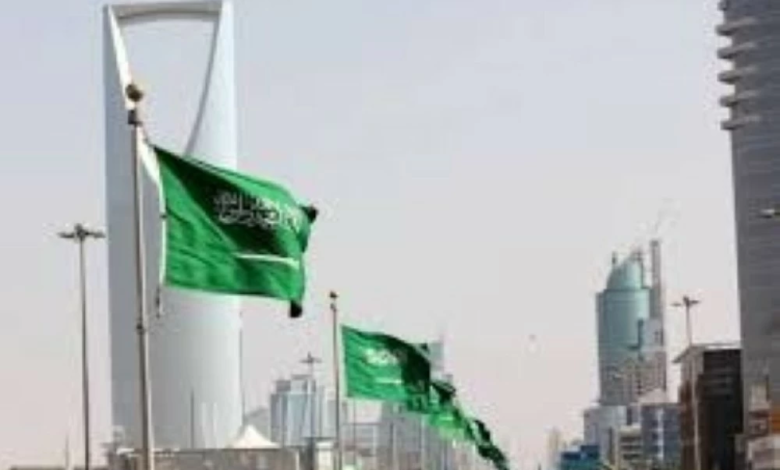
In a new international endorsement reflecting the success of the Kingdom's structural economic reforms, two senior officials from the Middle East and Central Asia Department of the International Monetary Fund, Amin Maty and Yoann Rawlinson, revealed that this year represents a pivotal and crucial juncture in the trajectory of the Saudi economy. The two officials affirmed that the Kingdom now stands in a strong financial and economic position, enabling it to effectively navigate a challenging global environment, most notably the decline in oil prices and the increasing global financing needs.
The fruits of Vision 2030 and economic transformation
These statements mark a significant milestone in the history of the modern Saudi economy. The two experts explained that the remarkable resilience demonstrated by the economy at the beginning of 2025 unequivocally confirms the tangible progress made in decoupling the economy from the volatility of energy markets. The non-oil sector has successfully maintained its strong growth momentum, a direct result of the "Vision 2030" programs launched by Crown Prince Mohammed bin Salman, which aimed to diversify income sources and reduce reliance on oil as the sole engine of growth.
The two officials noted that the gaps that separated the Kingdom from emerging markets have narrowed considerably, and that the business environment in Saudi Arabia now rivals that of advanced economies, enhancing the Kingdom’s attractiveness as a global investment destination.
Strategic shift towards the economy of the future
In discussing spending priorities, the IMF report stated that the Kingdom is currently undergoing a subtle strategic shift in its investment direction. Instead of a traditional focus, government and investment spending is strongly directed towards future-oriented sectors, specifically artificial intelligence and advanced technologies. This shift not only serves economic diversification but also positions the Kingdom among the leading nations in the digital economy.
The two officials highlighted a crucial point regarding the labor market: growth is no longer driven solely by government spending. The private sector has experienced a surge in job creation, leading to unemployment rates falling to historic lows. They emphasized that continuing these efforts is essential to closing any remaining gaps compared to major industrialized nations.
Financial solvency and balanced credit growth
Financially, the two officials stated that the Kingdom is facing the prospect of declining oil revenues from a position of strength; the ratio of public debt to GDP remains low compared to global rates, with ample reserves and foreign assets providing a strong safety net.
They highlighted the crucial role of the Saudi Central Bank (SAMA) in maintaining financial stability, stating, “Strong oversight of the financial sector can help support healthy credit growth, especially given banks’ increasing reliance on short-term external funding.” They emphasized that the central bank’s continued vigilance in monitoring emerging risks will be a critical factor in the coming period.
The role of the investment fund and the private sector
The two officials concluded their remarks by emphasizing that sustainable growth will depend on two fundamental pillars: a skilled national workforce and a vibrant and innovative private sector. They explained that the Public Investment Fund plays the role of a "catalyst," not a competitor, working to open new sectors and build strategic partnerships, while ensuring ample space for the success of local and international private sector investors, thus guaranteeing complementary roles in serving the national economy.