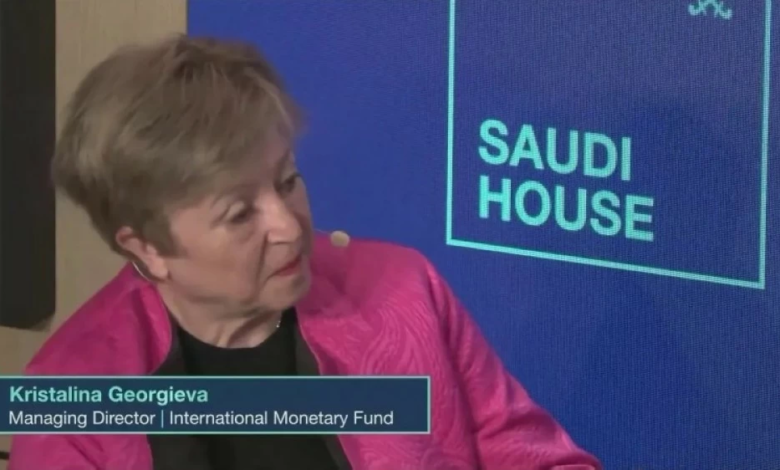

أشادت المديرة العامة لصندوق النقد الدولي، كريستالينا غورغيفا، بالتحولات الجوهرية التي يشهدها الاقتصاد السعودي، مؤكدة أن القطاع الخاص في المملكة بات يمثل نموذجاً عالمياً في المرونة والقدرة على التكيّف مع المتغيرات الاقتصادية المتسارعة، وذلك بفضل حزمة الإصلاحات الهيكلية الشاملة التي تنفذها المملكة.
جاء ذلك خلال مشاركتها في جلسة حوارية نظمها مكتب الإدارة الاستراتيجية في «البيت السعودي»، على هامش أعمال المنتدى الاقتصادي العالمي 2026. وأعربت غورغيفا عن إعجابها الشديد بمسيرة الإصلاحات السعودية، مشيرة إلى أن تنوع الاقتصاد الوطني لم يعد مجرد خطط نظرية، بل أصبح واقعاً ملموساً يشمل مختلف القطاعات الحيوية.
ثمار رؤية 2030 والمرونة الاقتصادية
أوضحت المسؤولة الدولية أن المملكة تتميز بالمثابرة والإصرار في تنفيذ مستهدفات «رؤية السعودية 2030»، وهي الاستراتيجية التي أسست لقاعدة اقتصادية صلبة. وقد أسهمت هذه الرؤية بشكل مباشر في نمو وازدهار القطاع الخاص، الذي تحول من الاعتماد الكلي على الإنفاق الحكومي إلى كيان ديناميكي قادر على قيادة النمو والتأقلم مع الصدمات، ليصبح أحد أبرز مصادر النجاح في مواجهة التقلبات المالية والجيوسياسية العالمية.
وأضافت غورغيفا أن حجم ونطاق الإصلاحات التي شهدتها المملكة مؤثرة للغاية وتاريخية، حيث شملت تطوير جميع المجالات التنظيمية والتشريعية، ودعم مختلف أنواع الشركات، بدءاً من الكيانات الكبرى وصولاً إلى المنشآت المتوسطة والصغيرة ومتناهية الصغر، إلى جانب تعزيز بيئة الأعمال لتكون أكثر جاذبية للاستثمار الأجنبي والمحلي.
تمكين الشباب وتنويع مصادر الدخل
في سياق متصل، أشارت مديرة صندوق النقد الدولي إلى النجاح الملحوظ الذي حققته المملكة في ملف ريادة الأعمال، لا سيما من خلال تمكين الشباب السعودي من الجنسين. وقد أدت الإصلاحات الاجتماعية والاقتصادية إلى زيادة غير مسبوقة في مشاركة المرأة في سوق العمل، مما عزز من الإنتاجية ورفع من مساهمة الكوادر الوطنية في النشاط الاقتصادي.
كما لفتت إلى أن خطة تنويع الاقتصاد السعودي تمتد لتشمل تطوير القطاع الصناعي لتقليل الاعتماد على النفط والغاز، بالتوازي مع نهضة شاملة في قطاعات الخدمات، والخدمات المالية، والرياضة، والسياحة، وهي قطاعات باتت تشكل رافداً مهماً للناتج المحلي الإجمالي غير النفطي.
ثقة دولية وشراكة استراتيجية
واختتمت غورغيفا حديثها بالتأكيد على أن قرار المملكة مشاركة تجربتها الاقتصادية الناجحة مع العالم يعكس ثقة دولية متزايدة في السياسات المالية السعودية. واستشهدت بافتتاح صندوق النقد الدولي مكتباً إقليمياً له في الرياض، كخطوة تهدف لتسهيل نقل التجربة السعودية الرائدة والاستفادة منها عالمياً، في ظل التطور اللافت الذي يشهده الاقتصاد السعودي على مختلف المستويات، مما يرسخ مكانة المملكة كلاعب محوري في الاقتصاد العالمي.