
Urgent warnings from the International Monetary Fund regarding the global economy
The International Monetary Fund (IMF) has issued stark warnings about the dire economic consequences of a wider conflict and a potential war with Iran. The international financial institution emphasized that any large-scale military escalation in the Middle East would inevitably lead to severe disruptions in global energy supplies, potentially triggering a new wave of inflation and a significant slowdown in global economic growth, particularly if oil and gas prices remain high for an extended period.
Historical context and strategic importance of energy supplies
The Middle East, and specifically strategic waterways like the Strait of Hormuz, is a vital artery for global oil and gas flows. Historically, geopolitical crises in this region have proven capable of triggering major economic shocks, from the oil crises of the 1970s to contemporary tensions. Any threat to the security of navigation or energy infrastructure in the region has an immediate impact on global markets, driving up production and transportation costs and placing significant strain on the budgets of energy-importing nations.
The IMF's position and preparations
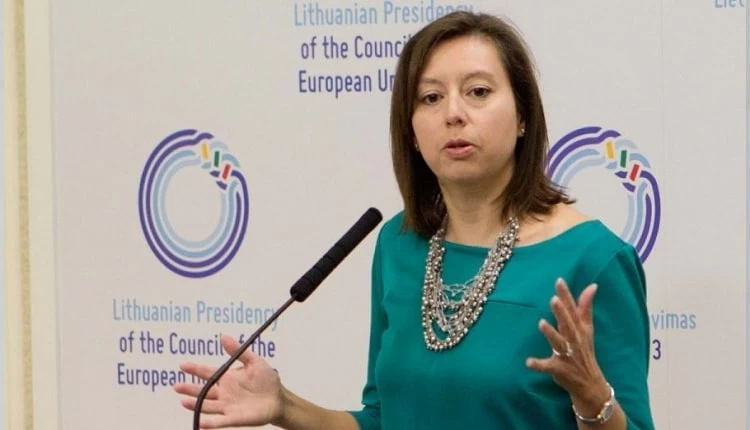
In this context, IMF spokesperson Julie Kozak explained that the institution is closely monitoring developments on the ground and in the political arena with great concern. Kozak noted that while the IMF has not yet received any formal requests for emergency financing from affected countries, it stands ready to support member states and provide financial assistance as needed. She added that IMF experts are currently updating their latest assessment of the US economy to reflect the potential repercussions of these tensions, and this updated assessment is scheduled to be presented to the Executive Board in the coming weeks before its official release.
Expected impacts: locally, regionally, and internationally
Regionally, the tensions are expected to lead to a decline in foreign investment and an increase in the cost of insuring commercial shipping, further straining the economies of the region. Internationally, rising energy prices will force major central banks to maintain high interest rates for longer to control inflation, which will, in turn, stifle economic growth and increase the debt burden on developing and emerging economies.
New shocks test the resilience of the global economy
These warnings echo previous statements by the Managing Director of the International Monetary Fund, Kristalina Georgieva, who affirmed that the ongoing conflict in the Middle East will put the resilience of the global economy to a real test. Georgieva cautioned that the global economy must prepare for “new shocks of varying shapes and sizes” that will continue to emerge. Emphasizing her deep concern for the human suffering caused by the crisis, she stressed that a protracted conflict will negatively impact energy prices, financial market sentiment, economic growth trajectories, and inflation rates, placing unprecedented burdens and challenges on policymakers everywhere.