
IMF warns of rising global inflation
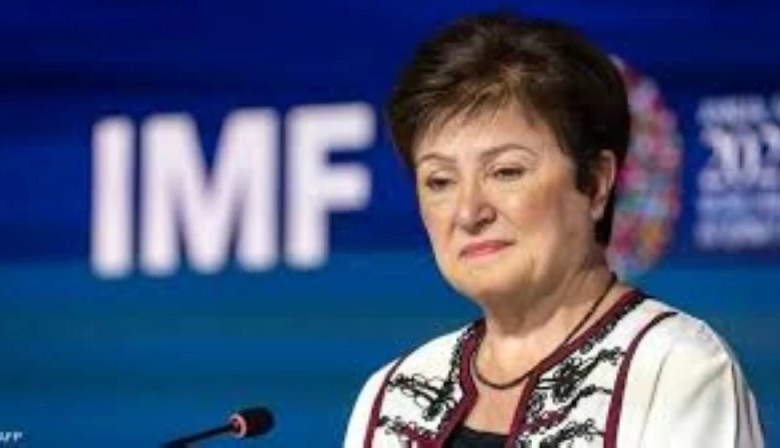
The International Monetary Fund (IMF) has issued critical warnings about the potential economic repercussions of the ongoing and escalating conflict in the Middle East, indicating that these geopolitical tensions could ignite a new wave of inflationary risks that threaten the entire global economy. These warnings come at a critical juncture as the world attempts to recover from successive economic crises, from the COVID-19 pandemic to the Russian-Ukrainian war, presenting financial policymakers with unprecedented challenges that demand careful and well-considered intervention.
General context and historical background of economic crises in the region
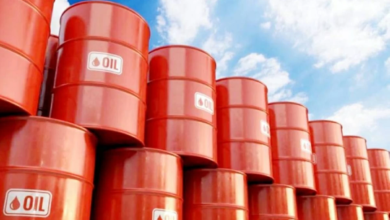
Historically, the Middle East has been the heart of global energy markets, and any security or political instability there is immediately reflected in oil and gas prices. Economic memory recalls past crises, such as the oil price shock of the 1970s, where regional conflicts led to skyrocketing energy costs, resulting in global stagflation. Today, the impact extends beyond oil to strategic waterways. The Red Sea, the Suez Canal, and the Bab el-Mandeb Strait are vital arteries for international trade, through which approximately 12% to 15% of global trade volume passes. Any threat to navigation in these waterways automatically disrupts global supply chains and delays the arrival of goods.
The importance of the event and its expected impact on the global economy
The danger of the IMF's warning lies in the sensitive timing of the global economic crisis. Major central banks, such as the US Federal Reserve and the European Central Bank, had just begun to bring inflation under control after a series of aggressive interest rate hikes. However, the ongoing conflict in the Middle East threatens to derail these efforts. If tensions persist, shipping costs will rise sharply as merchant vessels are forced to reroute around the Cape of Good Hope, significantly increasing voyage times, insurance costs, and fuel consumption.
Regional and local repercussions of the conflict
Regionally, the economies of neighboring countries are directly and rapidly affected. Insecurity leads to a sharp decline in vital sectors such as tourism, on which many countries in the region rely as a primary source of foreign currency. Furthermore, investor confidence is affected, resulting in a slowdown in foreign direct investment flows and the postponement of major development projects. Domestically, in countries embroiled in conflict, the destruction of infrastructure and the cessation of production lead to severe economic contraction, soaring unemployment rates, and a dramatic decline in living standards for citizens.
Inflationary risks and the future of monetary policy
IMF experts warn that it is only a matter of time before higher shipping and energy costs are passed on to the end consumer. This means that prices for essential goods, including food, medicine, and electronics, could see significant increases in global markets. This scenario presents central banks with a real dilemma: either keep interest rates high for longer to curb inflation, which could push the global economy into recession, or lower interest rates to stimulate growth, which could cause inflation to spiral out of control. Ultimately, geopolitical stability in the Middle East remains essential for ensuring the stability of the global economy and preventing new inflationary shocks.